By Dr.Nikia Burns, New Beauty Medical Aesthetics
Chemical peels are an established skin-rejuvenation option that can noticeably improve skin appearance. A controlled chemical solution is applied to exfoliate the outer layers so newer, smoother skin emerges. This mechanism makes peels effective for concerns such as acne scarring, fine lines, and uneven pigmentation. Below, we review peel types, benefits, recovery expectations, and how to choose the most suitable option so you can make an informed decision about your skincare plan.
For a precise methodology and clinical protocol on chemical peeling, consider this expert perspective:
Chemical Peeling: Ablation Method & Treatment Protocol Chemoexfoliation, or chemical peeling, is described as targeted cutaneous ablation using specific caustic agents to achieve a rapid, predictable and uniform depth of tissue removal, with the goal of improving skin appearance. This review provides an up-to-date analysis of available dermatologic peels and presents a step-by-step, algorithmic protocol for treatment selection and delivery. A practical approach to chemical peels: a review of fundamentals and step-by-step algorithmic protocol for treatment, 2018
What Are Chemical Peels?
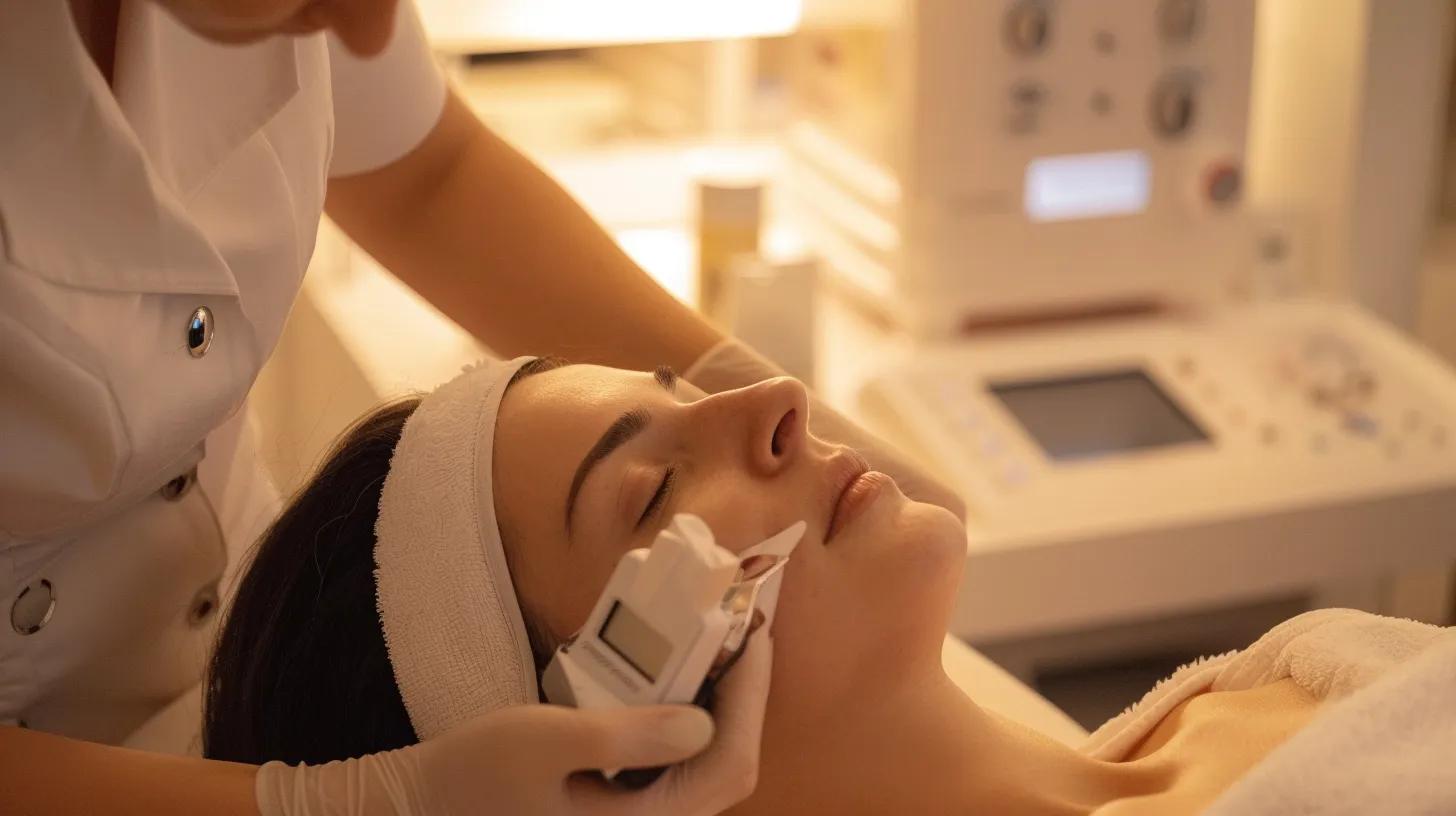
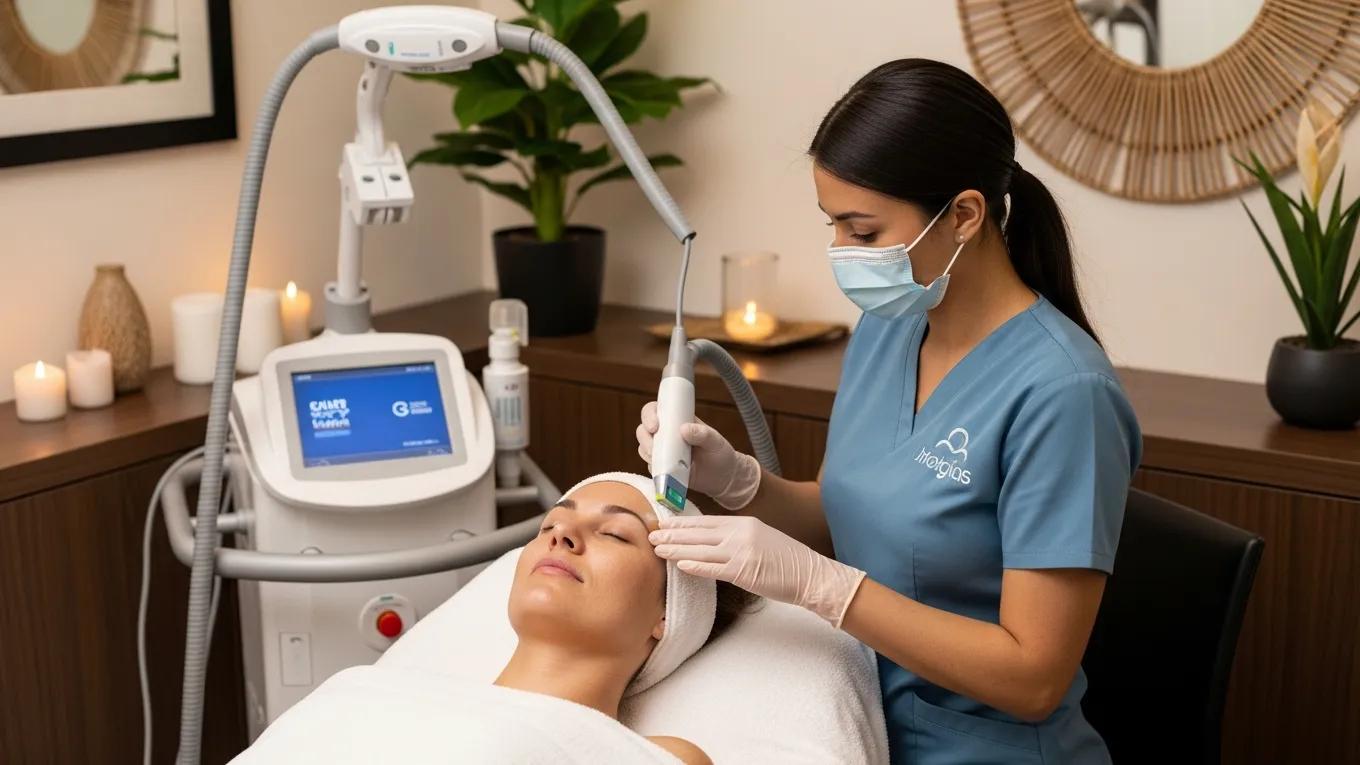
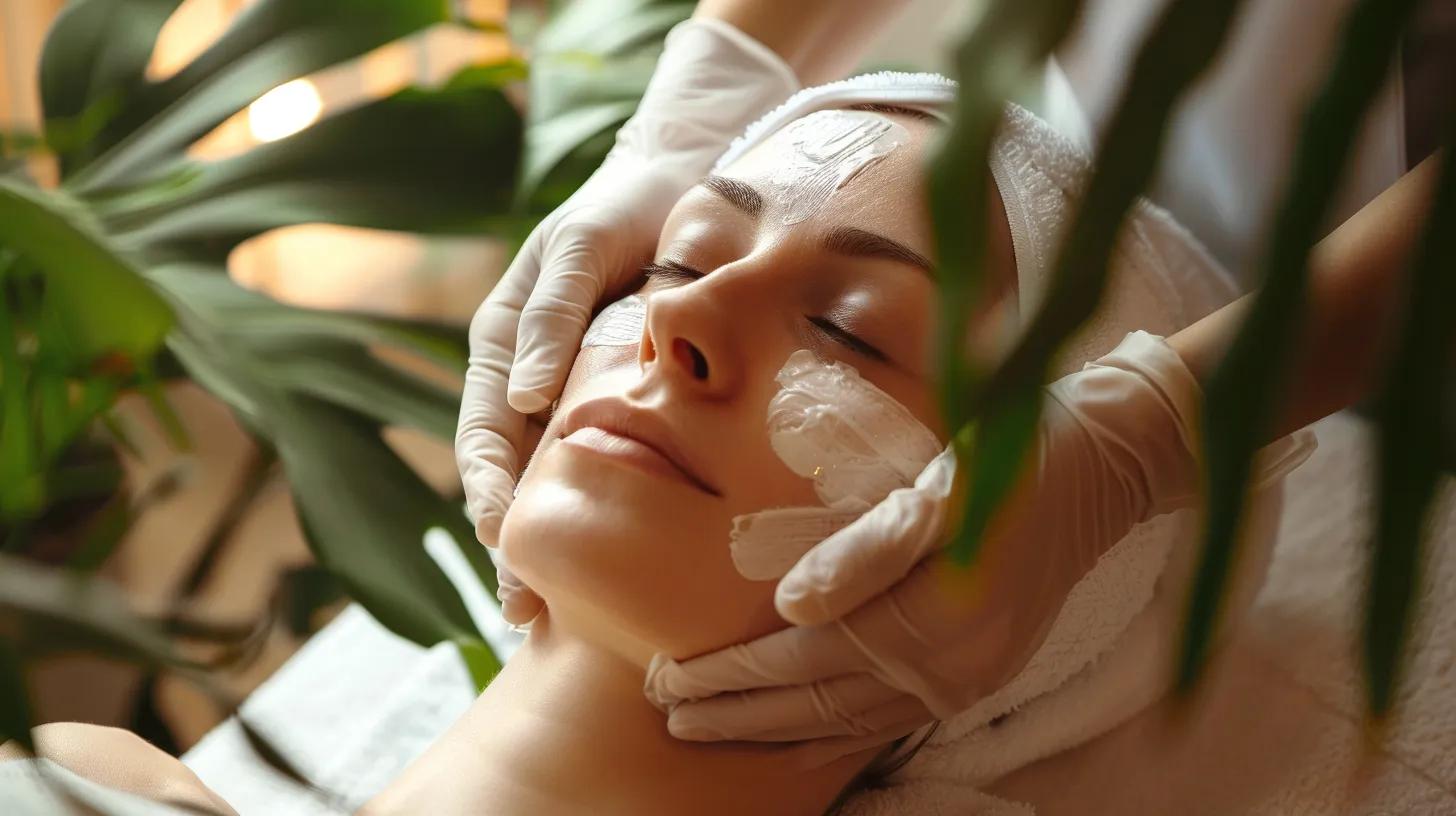
Chemical peels are dermatological procedures that apply a chemical solution to produce controlled injury to the skin’s outer layers. That controlled damage prompts exfoliation and removal of dead cells, allowing regeneration of healthier epidermis. Peels improve texture, tone, and overall skin appearance and are commonly used on the face, neck, and hands to address sun damage, acne, and signs of ageing.
For a definitive definition and the standard clinical guidelines covering indications and care, a key reference explains:
Chemical Peel Definition, Indications & Care Guidelines Chemical peeling is the application of a chemical agent that produces controlled destruction of part or all of the epidermis, with or without involvement of the dermis, leading to exfoliation and subsequent regeneration of epidermal and dermal tissues. These guidelines outline indications, suitable agents, methodology, pre- and postpeel care, potential complications, and expected outcomes. Standard guidelines of care for chemical peels, 2008
Types of Chemical Peels
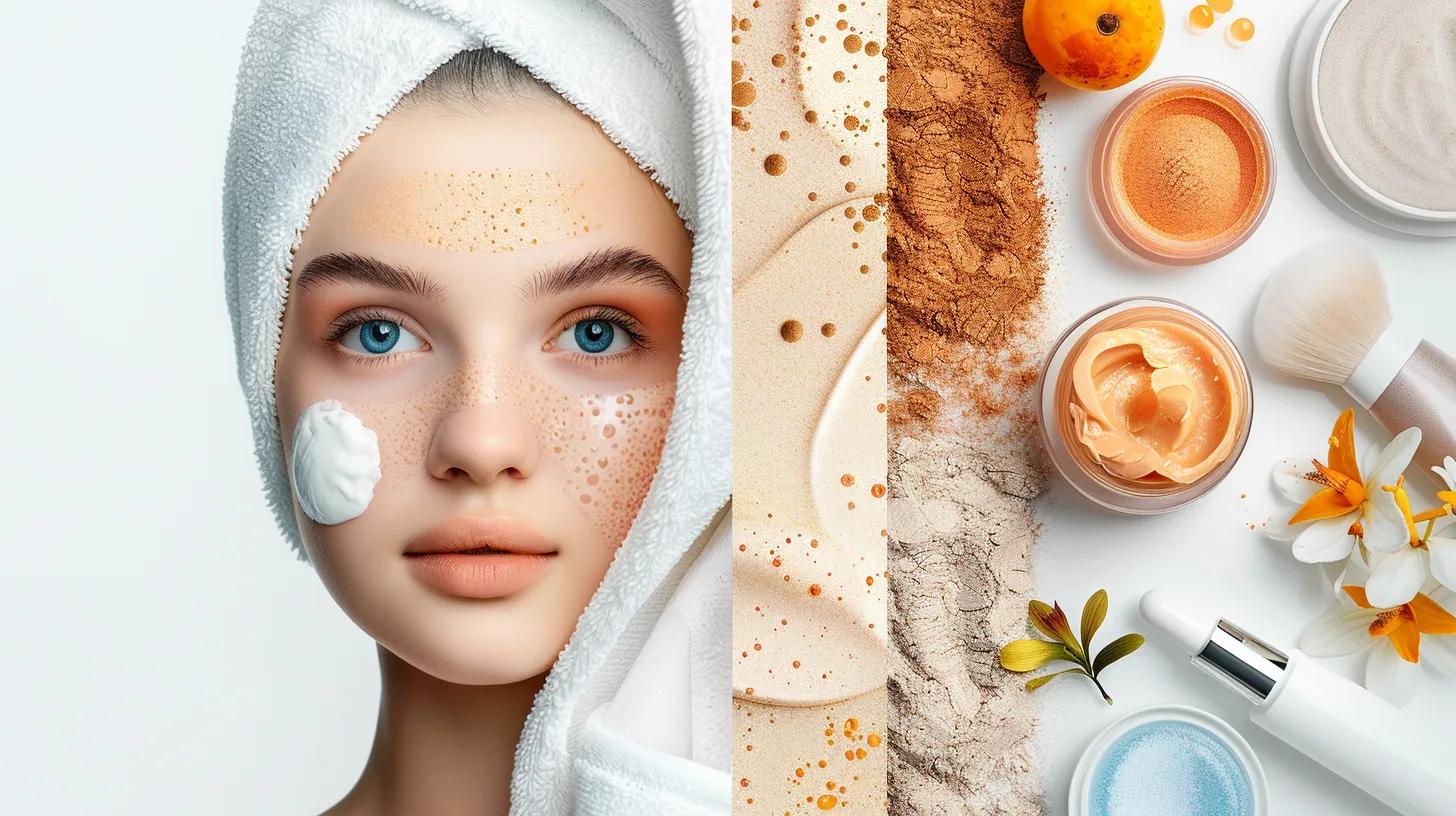
Chemical peels are classified by depth and intensity into three primary categories, each with specific indications and recovery profiles.
- Superficial Peels: These peels use mild acids like glycolic acid to exfoliate the outermost layer of skin. They are ideal for improving skin texture and tone with minimal downtime.
- Medium Peels: Utilizing trichloroacetic acid (TCA), medium peels penetrate deeper into the skin, addressing more significant issues like moderate wrinkles and sun damage. Recovery time is longer than superficial peels but still manageable.
- Deep Peels: These peels involve stronger acids, such as phenol, and are designed for more severe skin issues, including deep wrinkles and significant sun damage. They require a longer recovery period and are typically performed under anesthesia.
Research underscores that peel depth determines clinical change, healing time, and complication risk; the deeper the peel, the greater the effect and the longer the recovery.
Chemical Peel Classification, Depth & Healing Times Chemical peeling is a widely used, cost-effective, and generally safe method to treat certain skin disorders and to rejuvenate skin. Peels are classified by depth into superficial, medium, and deep categories. Deeper peels yield greater clinical change but are associated with longer healing times and higher potential for complications. Superficial peels, which affect only the epidermis, can be useful for conditions such as acne, melasma, dyschromias, photodamage, and actinic keratoses. Evidence and considerations in the application of chemical peels in skin disorders and aesthetic resurfacing, 2010
Benefits of Chemical Peels
Chemical peels deliver targeted improvements that many patients seek. Key benefits include smoother texture, softened fine lines, reduced appearance of acne scars, and a more even, brighter skin tone.
- Improved Skin Texture: Chemical peels can smooth rough skin and reduce the appearance of fine lines and wrinkles, resulting in a more youthful complexion.
- Reduction of Acne Scars: By promoting the shedding of damaged skin, chemical peels can help diminish the visibility of acne scars and other blemishes.
- Even Skin Tone: These treatments can effectively address hyperpigmentation and uneven skin tone, leading to a brighter and more uniform complexion.
New Beauty Medical Aesthetics provides a range of chemical peel options tailored to specific skin types and concerns. Their personalised consultations ensure you receive the treatment best suited to your clinical needs.
Recovery and Aftercare

Recovery time depends on peel depth. After a superficial peel you can expect mild redness and peeling for a few days. Medium peels often require about a week of recovery with notable redness and sensitivity. Deep peels have a longer course, frequently involving significant peeling and redness for up to two weeks.
Aftercare is essential to protect results and support healing; follow the guidance below and any provider-specific instructions closely.
- Hydration: Keep the skin moisturized to aid in healing.
- Sun Protection: Use sunscreen diligently to protect the new skin from UV damage.
- Avoid Harsh Products: Steer clear of exfoliants and strong skincare products until the skin has fully healed.
Who’s a Good Candidate?
Whether you’re a suitable candidate depends on several factors. Ideal candidates typically have targeted concerns such as acne scarring, sun damage, or uneven tone, realistic expectations about results, and overall good health. Certain medical conditions or sensitivities may require specialist assessment before treatment.
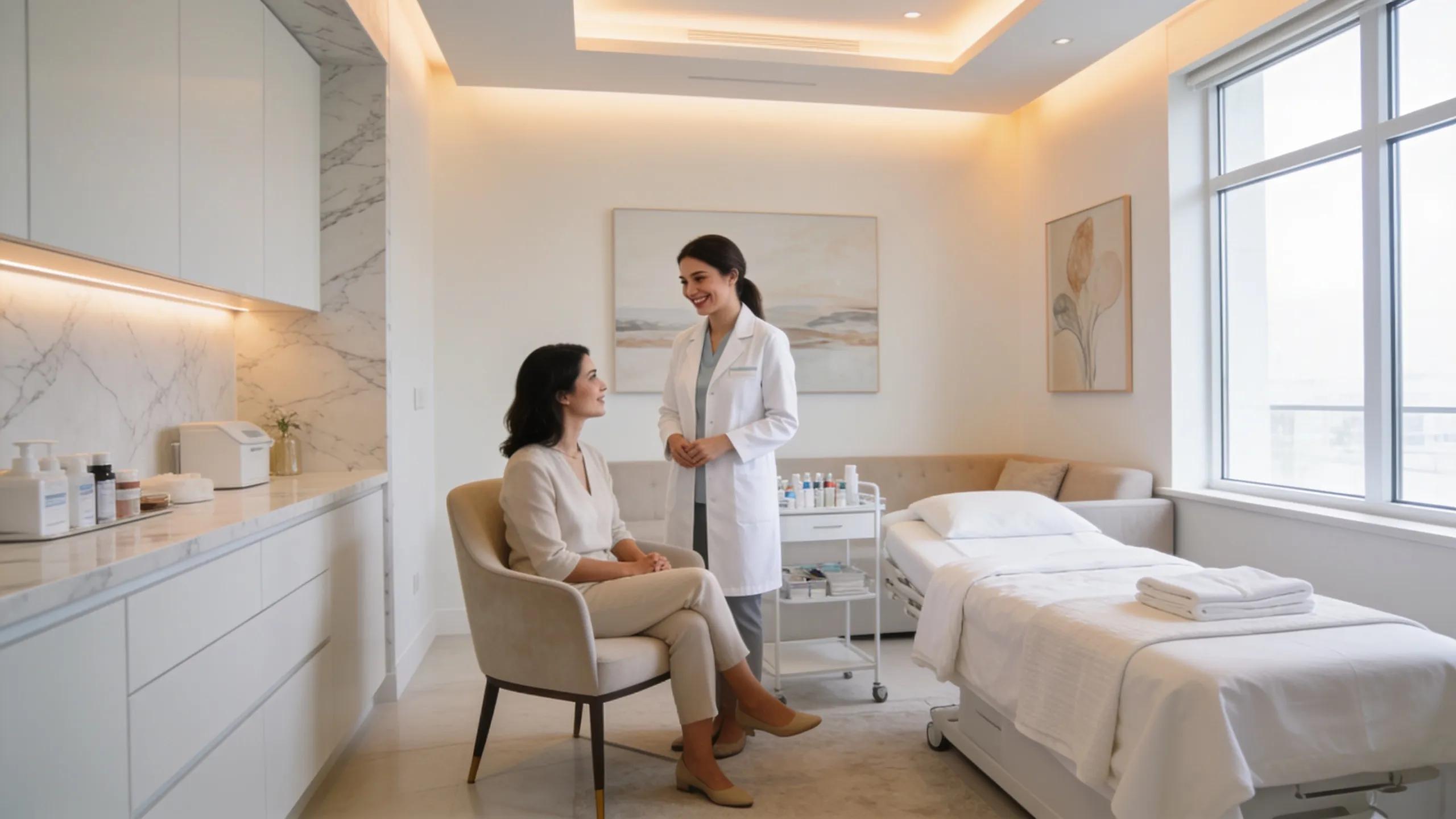
At New Beauty Medical Aesthetics, personalised consultations are prioritised so you receive tailored recommendations and a treatment plan aligned with your unique skin profile.
Frequently Asked Questions
What should I expect during a chemical peel procedure?
Expect your clinician to cleanse the area before applying the chemical solution. Depending on the peel, you may feel tingling or a burning sensation while the solution acts. Procedures usually last 30 minutes to an hour. Post-treatment, skin can look red and feel sensitive, especially after medium or deep peels, so follow aftercare instructions for best outcomes.
How often can I get a chemical peel?
Frequency depends on peel depth and your skin goals. Superficial peels are commonly repeated every 4 to 6 weeks. Medium peels are typically scheduled every 6 to 12 months. Deep peels are infrequent and may be recommended once every few years. Your skincare professional can create the right schedule for your skin type and objectives.
Are there any side effects associated with chemical peels?
Chemical peels are generally safe but can cause side effects, more so with deeper peels. Common effects include redness, swelling, and peeling that usually resolve within days to weeks. Rare complications include scarring or pigment changes. Adhering to aftercare and contacting your provider for any unusual symptoms reduces risk.
Can chemical peels be combined with other treatments?
Yes. Peels are often combined with treatments like microdermabrasion, laser therapy, or injectables to enhance results. Discuss combinations with your provider because timing and sequencing are important to maintain safety and effectiveness. A tailored plan gives the best outcome.
How do I prepare for a chemical peel?
Preparation typically includes avoiding sun exposure and tanning beds and stopping certain medications such as retinoids at least one week before treatment. Your clinician may advise specific pre-treatment skincare, like gentle cleansers and moisturisers. A full review of your medical history and skin concerns helps tailor the approach.
What is the cost of a chemical peel?
Cost varies by peel type, provider expertise, and clinic location. Superficial peels commonly range from $100 to $300. Medium and deep peels can range from $300 to $1,500. Consider the provider’s qualifications and the expected results, not just price, when choosing treatment.