Treating Sunspots with New Beauty Medical Aesthetics
By Dr. Nikia Burns, New Beauty Medical Aesthetics
Sunspots result from cumulative sun exposure and are a common cosmetic concern. This guide compares Intense Pulsed Light (IPL) and laser therapies for pigment correction, explaining how each works, typical outcomes, and which patients are likely to benefit.
To better assess these concerns, it helps to understand the biological drivers of pigmentation and discoloration.
Understanding Skin Pigmentation, Sunspots, and Discoloration Causes
Melanin is the primary pigment that determines skin colour. Pigmentation disorders may arise from external (exogenous) or internal (endogenous) causes. Hyperpigmentation refers to skin darkening due to excess melanin, while hypopigmentation indicates reduced melanin. Factors that increase melanin production and cause discoloration include sunlight, hormonal and genetic influences, thyroid disease, pregnancy and menopause, mechanical injury, inflammation, and certain medications. Common types of discoloration include freckles, chloasma, and lentigines (age spots).
Skin pigmentation changes, causes and methods of their elimination, 2024
Effectiveness of IPL and Laser Treatments
Both modalities can reduce sunspots but differ in delivery. IPL uses broad-spectrum light to treat multiple pigmentary and vascular issues; lasers use specific wavelengths to target discrete lesions. Results depend on skin type, pigment depth, and device settings.
This table gives a quick comparison so you can anticipate recovery and effects.
Treating Sunspots with New Beauty Medical Aesthetics
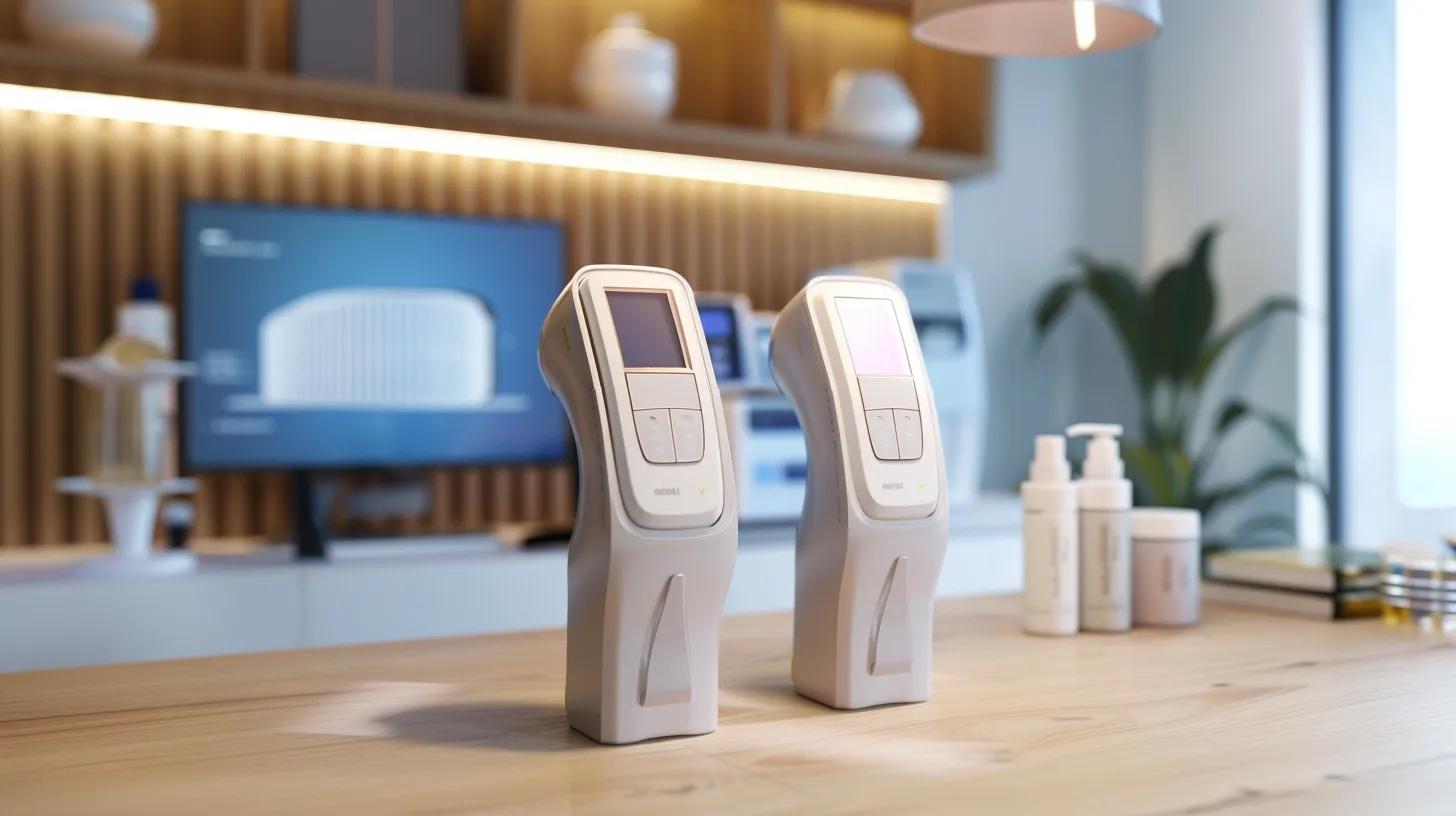
Practical distinctions help determine the best option.
- Wavelengths Used: IPL uses a spectrum for broader coverage; lasers use single wavelengths for precision.
- Versatility: IPL treats several concerns in one session; lasers are selected for specific, persistent spots.
- Recovery Time: IPL generally has less downtime; laser recovery varies with intensity and device type.
Use these differences to match treatment to priorities like speed of recovery or need for precision.
Recommendations for Optimal Results
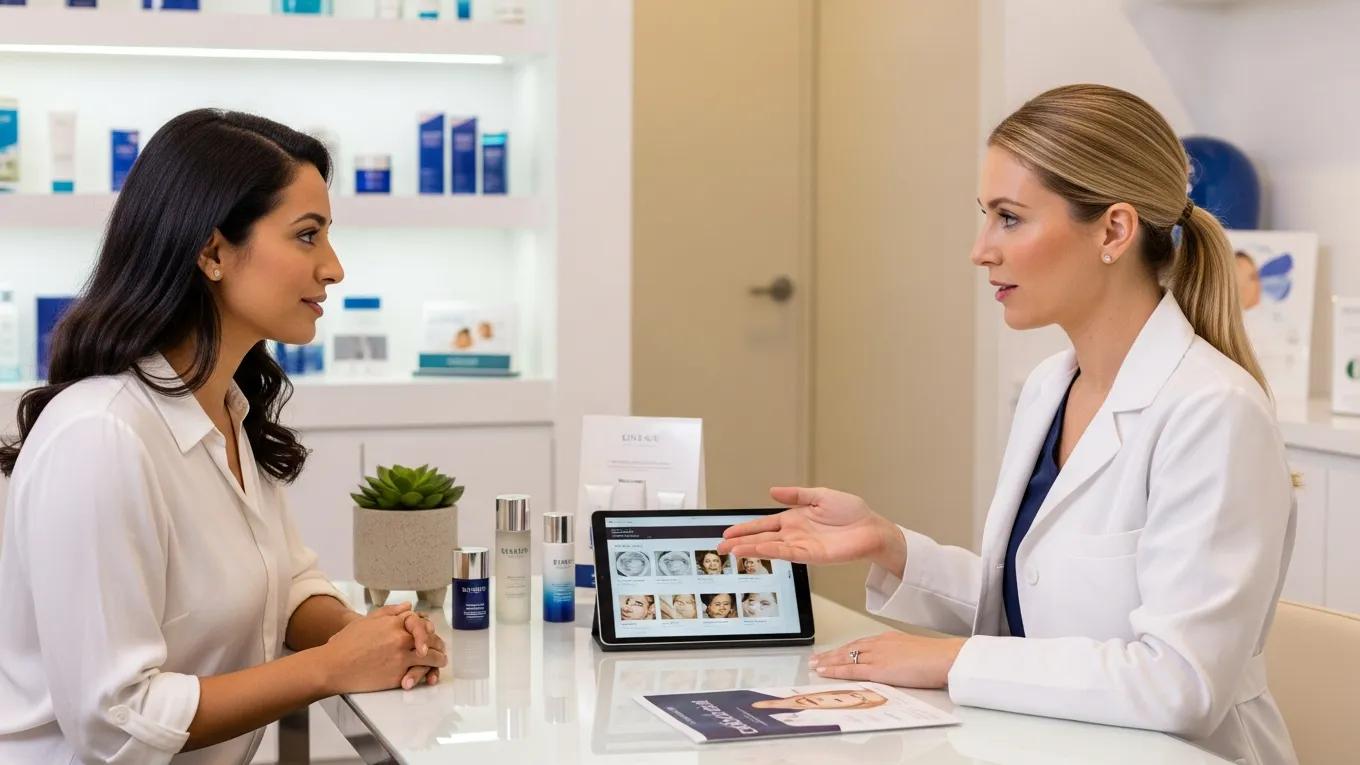
If you’re considering treatment, follow these evidence-based steps to improve outcomes:
- Consultation: Begin with a professional assessment to confirm suitability and set expectations.
- Number of Sessions: IPL often needs 3–5 sessions; lasers frequently require fewer sessions depending on depth.
- Post-Treatment Care: Strict sun protection and appropriate skincare are essential to maintain results and prevent recurrence.
Personalised plans and expert consultation are key to safe, effective results.
Treating Sunspots with New Beauty Medical Aesthetics
Understanding technical and clinical differences helps you pick the right approach for your skin and goals.
How Does IPL Photofacial Target Pigmentation and Sunspots?
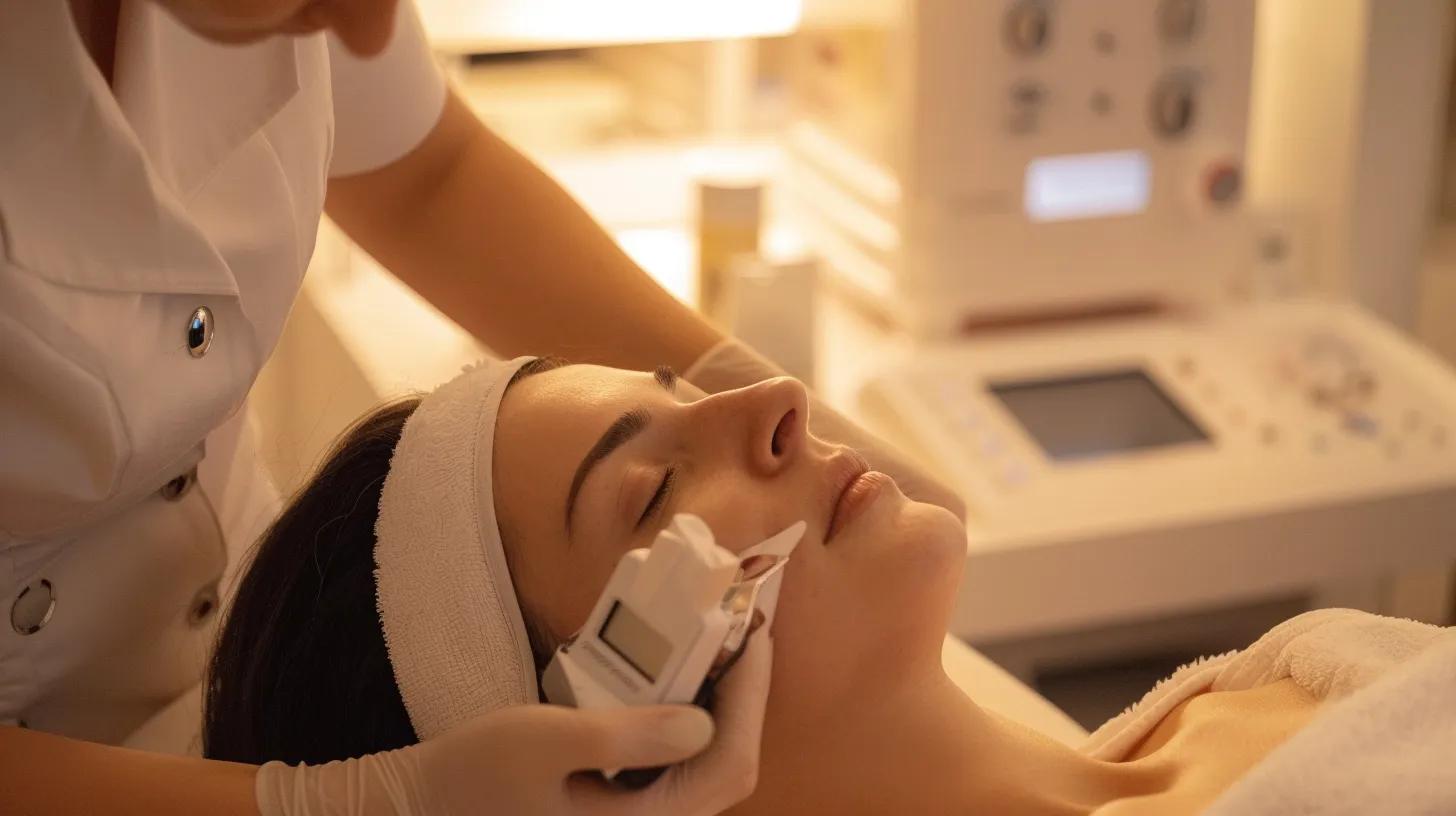
IPL delivers broad pulses into the epidermis and dermis to fragment superficial pigment so the body can clear it. A series of sessions often improves tone and texture with limited downtime.
What Are the Mechanisms of Laser Skin Treatment for Sunspot Removal?
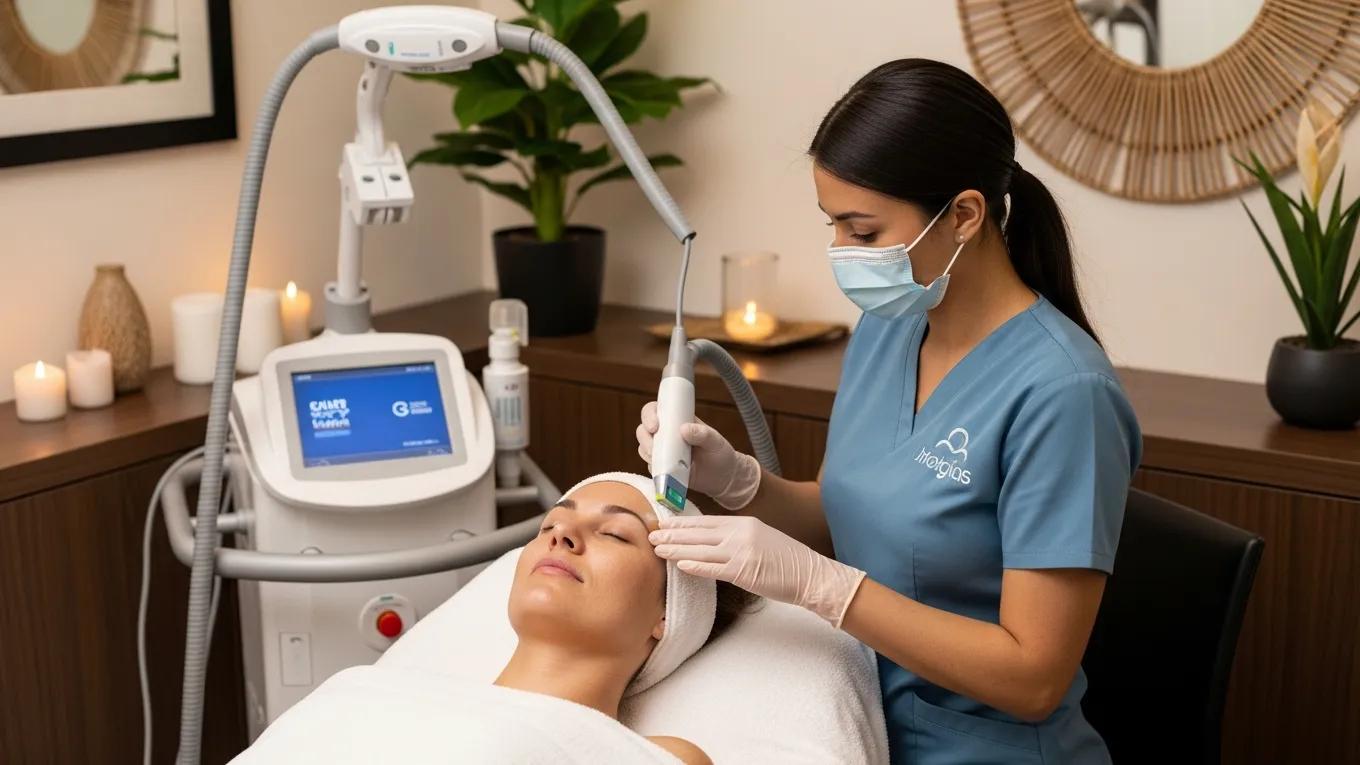
Lasers concentrate energy at selected wavelengths to disrupt pigmented cells. Fractional and ablative devices are selected based on lesion depth to maximise clearance while minimising surrounding tissue damage.
Advances in non-invasive imaging now support more accurate evaluation of laser treatment outcomes.
Assessing Efficacy of Laser Skin Rejuvenation Treatments
Traditional surface assessments can miss deeper changes, limiting evaluation of rejuvenation efficacy. Recently, non-invasive imaging tools—such as optical coherence tomography (OCT) and ultrasound—have been adopted to improve objective assessment of laser outcomes.
Novel use of non‐invasive devices and microbiopsies to assess facial skin rejuvenation following laser treatment, 2020
What Are the Benefits and Side Effects of IPL and Laser Treatments?
Both approaches offer benefits and share side effects that should be discussed with a clinician.
- Benefits of IPL:Treats multiple concerns in one session.Minimal downtime and discomfort.Suitable for many skin types when used appropriately.
- Common Side Effects of Both Treatments:Redness and swelling.Temporary pigmentation shifts.Possible scarring with high-intensity or improperly performed procedures.
Discussing risks with a qualified provider helps balance benefits and safety.
Treating Sunspots with New Beauty Medical Aesthetics
IPL photofacials offer clear patient benefits:
- Improved Skin Tone: Reduces visible sunspots and uneven pigmentation.
- Enhanced Texture: Stimulates collagen to smooth the skin.
- Quick Recovery: Most return to normal activities within a day or two.
Typical side effects are short-lived redness and mild swelling that resolve within days.
What Are the Advantages and Risks of Laser Therapy for Skin Rejuvenation?
Laser therapy is chosen for targeted, often longer-lasting results:
- Precision: Accurate energy delivery to stubborn sunspots.
- Long-Lasting Results: Noticeable improvement after fewer sessions for many patients.
However, lasers can involve:
- Longer Downtime: Healing may take several days depending on depth and device.
- Potential for Scarring: Incorrect technique or poor aftercare increases risk.
How Do IPL and Laser Treatments Compare in Effectiveness and Recovery?
IPL is broad and efficient for multiple surface issues with shorter recovery. Lasers are more focused and often better for deep or resistant pigmentation but generally require longer healing times and careful aftercare.
How Many Sessions Are Typically Needed for Optimal Sunspot Removal?
Typical expectations:
- IPL Treatments: Usually 3–5 sessions spaced several weeks apart.
- Laser Treatments: Often 1–3 sessions, depending on severity and device.
A clinician will tailor the plan to your skin response.
What Is the Expected Recovery Time After IPL vs Laser Treatments?
Recovery typically follows these patterns:
- IPL: Minimal downtime; redness usually subsides in 1–2 days.
- Laser: Healing may range from a few days to two weeks depending on laser type and depth.
Plan treatments with downtime and social commitments in mind.
Who Is the Best Candidate for IPL or Laser Sunspot Treatment?
Good candidates have visible sun damage or localized pigmentation. Fairer skin tends to respond well to many IPL and laser settings; darker skin may need specialised lasers and settings to reduce complication risk. A professional assessment identifies the safest, most effective option.
How Does Skin Type Influence Treatment Suitability?
Skin phototype directs device selection and parameters. Fair skin tolerates a wider range of settings; darker skin requires cautious energy selection and provider expertise to minimise pigmentary changes. Consult an experienced practitioner for the right approach.
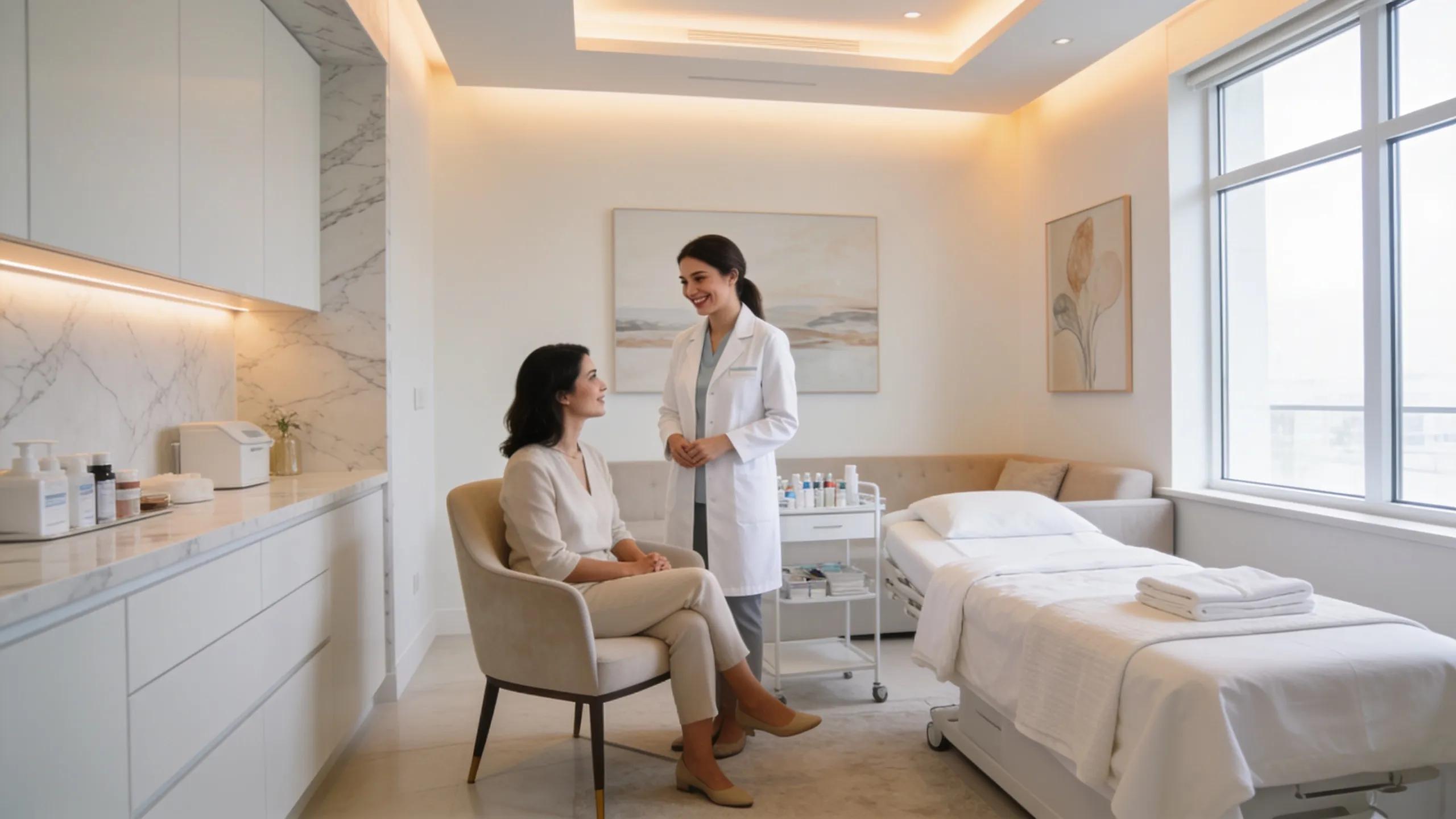
What Should Patients Expect During the Consultation and Personalized Care Process?
Consultations typically include:
- Skin Evaluation: Assessment of skin type, damage depth, and medical history.
- Discussion of Treatment Options: Review of suitable devices, expected outcomes, and trade-offs.
- Personalized Care Plan: A customised schedule with clear aftercare and realistic timelines.
This personalised plan helps ensure safety and predictable outcomes.
Frequently Asked Questions
What Are the Costs Associated with IPL and Laser Treatments?
Costs vary by location and provider. Typical ranges are $300–$600 per IPL session and $500–$1,500 per laser session; package pricing is common, so factor total sessions into your budget.
How Can Patients Prepare for IPL or Laser Treatments?
Preparation improves safety: avoid sun exposure and tanning for at least two weeks, and pause topical retinoids or strong exfoliants as advised. Follow your provider’s specific instructions.
What Aftercare Is Recommended Following IPL or Laser Treatments?
Keep the area clean and moisturised, avoid harsh products for about a week, and use broad-spectrum SPF 30+ daily. Also avoid strenuous exercise and hot environments for several days to reduce irritation.
Are There Any Long-Term Effects of IPL or Laser Treatments?
When performed correctly, both are generally safe and can deliver lasting improvements. Some people may notice long-term sensitivity or pigment changes; ongoing sun protection and follow-up care help preserve results.
Can IPL or Laser Treatments Be Combined with Other Procedures?
Yes. Providers often combine these treatments with chemical peels, microdermabrasion, or injectables to address multiple concerns. Coordinated planning by a qualified clinician ensures safe sequencing.
What Should Patients Know About the Longevity of Results?
Results depend on skin type, lifestyle, and initial severity. Improvements can last months to years; many patients benefit from periodic maintenance and strict sun protection to sustain outcomes.