Can I Apply Makeup After a Chemical Peel? Essential Aftercare Guide
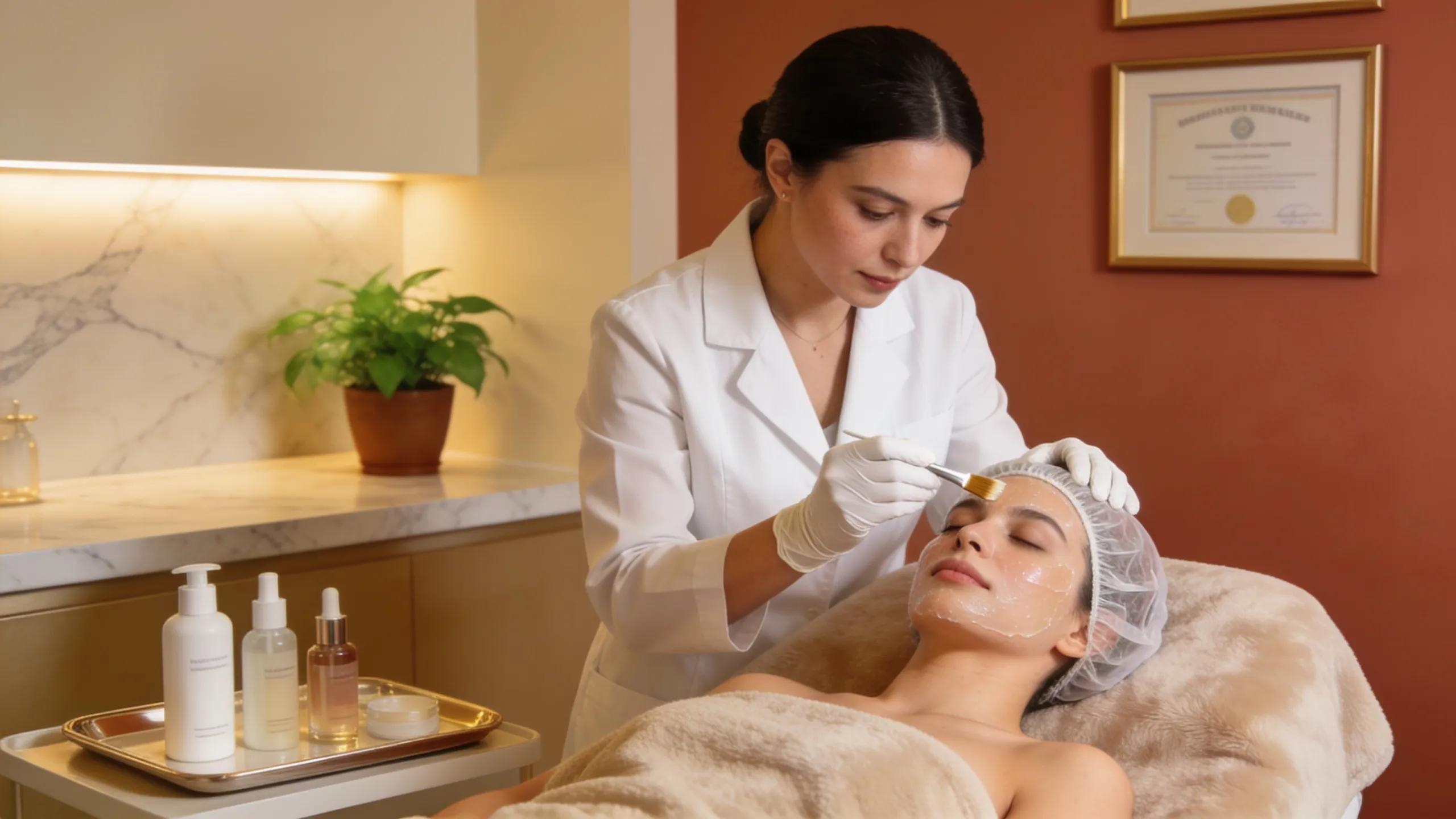
By Dr. Nikia Burns, New Beauty Medical Aesthetics
After undergoing a chemical peel, your skin goes through a crucial healing phase, and understanding how to care for it is essential for optimal recovery. The primary focus is on ensuring that the skin remains healthy and protected during this time. One common question among individuals who have undergone this cosmetic procedure is: “Can I apply makeup after a chemical peel?” This article will provide comprehensive insights into the appropriate aftercare, the risks associated with early makeup application, and best practices for maintaining skin health after the procedure. A thorough understanding of these aspects is vital, as improper care can lead to complications, including irritation, delayed healing, or even infection. We will discuss essential aftercare instructions, the implications of makeup use, and how to incorporate safe skin practices moving forward.
Essential Aftercare Instructions
Following a chemical peel, adhering to specific aftercare instructions is critical for ensuring the skin heals properly. Key recommendations to follow include:
- Keep Skin Moisturized: After a peel, skin can become dry and flaky. It is imperative to use a gentle, hydrating moisturizer to maintain skin moisture levels.
- Wear Sunscreen: Protecting your skin from the sun is crucial, as it can be more sensitive after a chemical peel. Utilize a broad-spectrum sunscreen with a minimum SPF of 30 to protect against UV rays.
- Avoid Harsh Products: Stay away from exfoliants, retinoids, and any products that may irritate the skin until it is fully healed.
After discussing these essential aftercare practices, it’s vital to understand the potential risks of applying makeup too soon post-peel.
Potential Risks of Early Makeup Application
Applying makeup immediately after a chemical peel can pose several risks, primarily due to the delicate condition of freshly treated skin. Below are the critical reasons why waiting to apply makeup is advisable:
- Irritation and Infection Risks: The skin barrier is compromised after a chemical peel, making it vulnerable to irritation and infection from makeup products that may trap bacteria.
- Healing Process Delays: Wearing makeup too soon can interfere with the normal healing process, potentially prolonging recovery times or exacerbating side effects.
- General Timeline Recommendations: It is advisable to wait at least a few days (approximately 3 to 7 days) to allow the skin adequate time to begin healing. It’s essential to consult with a skincare professional for personalized guidance.
Understanding these risks is crucial, but ensuring skin health post-peel involves adopting best practices that further support recovery.
Best Practices for Ensuring Skin Health
To maintain the best results after a chemical peel, consider implementing the following best practices:
- Hydration is Key: Keep the skin hydrated by drinking plenty of water and consistently using moisturizers formulated for sensitive skin.
- Avoid Picking at the Skin: Allow any peeling to occur naturally to prevent scarring or irritation.
- Reapply Sunscreen Frequently: Every two hours during sun exposure, reapply sunscreen to ensure consistent protection.
These practices contribute significantly to maintaining skin health after a chemical peel. A deeper understanding of skin sensitivity post-treatment can enhance your recovery experience.
The Golden Rule: Why You Must Wait to Apply Makeup
Following a chemical peel, it is necessary to prioritize skin recovery over makeup application. The golden rule is to wait until your skin has fully healed. Here’s why this is crucial:
- Makeup Can Trap Bacteria: Applying makeup can create an environment conducive to bacteria growth, leading to potential infections.
- Timing Recommendations for Safe Makeup Application: Experts generally recommend a waiting period of at least a week for light peels and possibly longer for deeper treatments. Skin healing must be assessed visually before applying cosmetics.
Understanding the importance of following these guidelines can greatly influence your post-peel outcomes and minimize risks of complications.
Understanding Skin Sensitivity After a Chemical Peel
After a chemical peel, many experience heightened skin sensitivity, which can manifest in various forms. Typical symptoms include:
- Redness and Swelling: Expect some inflammation in the days following the treatment.
- Increased Sensation: Your skin may feel tender or painful, which requires gentle handling.
- Duration of Sensitivity: Sensitivity can last from a few days to a couple of weeks, depending on the type and depth of the peel.
Recognizing these symptoms helps frame appropriate aftercare strategies for a smoother recovery post-peel.
Risks of Applying Makeup Too Soon
Using makeup prematurely after a chemical peel can bring about specific skin issues:
- Possible Skin Reactions: Reactions to cosmetic products can cause additional irritation or allergic responses.
- Healing Complications: Makeup can lead to complications that delay the healing process, with visible effects such as uneven skin texture.
- Importance of Adhering to Recommended Waiting Period: Following professional advice on when to resume makeup application is essential for optimal recovery.
By understanding these risks, individuals can make informed decisions about when and how to begin applying makeup again.
Chemical Peel Healing Stages: When is it Safe?
A comprehensive understanding of the healing stages following a chemical peel can assist in determining the right time to resume makeup use safely.
Light/Superficial Peels
- Recovery Duration: Typically, recovery for light peels may take about 3-5 days.
- Signs of Proper Healing: Look for reduced redness and visible peeling.
- Makeup Recommendations: Mineral makeup can be introduced once the skin feels comfortable, usually after 3-4 days.
Medium Peels
- Expected Healing Duration: Recovery can take about 7-10 days.
- Signs Indicative of Proper Healing: The skin will start to feel taut and look less inflamed.
- Guidelines for Resuming Makeup: Makeup can usually be applied after about 5-7 days, once the skin is no longer sensitive.
Deep Peels
- Extensive Recovery Timeline: Healing from deep peels can take 2-3 weeks or more.
- Signs Highlighting Healing Capacity: The skin should return to a more normal texture and color.
- Guidance for Makeup Reintegration: It’s advised to wait a minimum of 10-14 days before reintroducing makeup to prevent complications.
This breakdown of healing stages provides clarity on when it is appropriate to begin makeup application based on the depth of the peel.
Safe Makeup Products to Use After Your Peel
When considering makeup products following a chemical peel, selecting the right formulas is crucial for supporting skin recovery. Recommendations include:
- Best Product Types to Consider: Look for non-comedogenic, mineral-based makeup that allows the skin to breathe and minimizes irritation.
- Avoiding Harmful Ingredients: Avoid products with fragrances, alcohol, or harsh chemicals that can irritate sensitive skin.
- Recommended Application Methods: Use clean brushes or sponges to apply makeup, and consider applying products lightly to avoid excessive pressure on the skin.
Continuing with safe and gentle makeup choices post-peel is essential for maintaining skin integrity.
Why Mineral Makeup is Your Best Option
Mineral makeup is particularly suggested for post-peel application due to its non-irritating qualities. Key benefits include:
- Breathability: Mineral products allow skin to breathe without blocking pores.
- Sensitive Skin Compatibility: Often formulated without common irritants, making them safe for newly treated skin.
- Common Minerals Beneficial for Sensitive Skin: Look for active ingredients like zinc oxide and titanium dioxide that provide additional SPF protection and soothe irritated skin.
Emphasizing the use of mineral makeup can significantly enhance the recovery experience by minimizing flare-ups during the healing process.
Ingredients to Avoid at All Costs
While there are safe products to use, it is equally important to steer clear of certain ingredients post-peel. Notable ones include:
- Common Irritants: Fragrances and preservatives found in many cosmetics can aggravate sensitive skin.
- Potential Adverse Reactions: Ingredients like alcohol can lead to increased dryness and irritation.
- Importance of Adherence to Product Guidelines: Following recommendations from skincare professionals can aid in successful recovery and minimize complications.
Recognizing these harmful ingredients can help you make informed choices about makeup products.
Essential Chemical Peel Aftercare Instructions
In addition to the previously mentioned recommendations, fundamental aftercare instructions are paramount to facilitate a smooth recovery:
- Hydration Needs Post-Peel: Continuous hydration is vital as it aids in the healing and regeneration of the skin.
- SPF Significance in Aftercare: Consistent sunscreen application protects against UV damage that can darken hyperpigmentation.
- Avoiding Makeup During Initial Healing: As previously reiterated, it’s crucial to forgo makeup application for a significant enough period (usually around 5 to 10 days) to ensure effective healing.
Adhering to these essential instructions will enhance the overall outcome of the chemical peel.
The Role of Sunscreen and Moisturizer
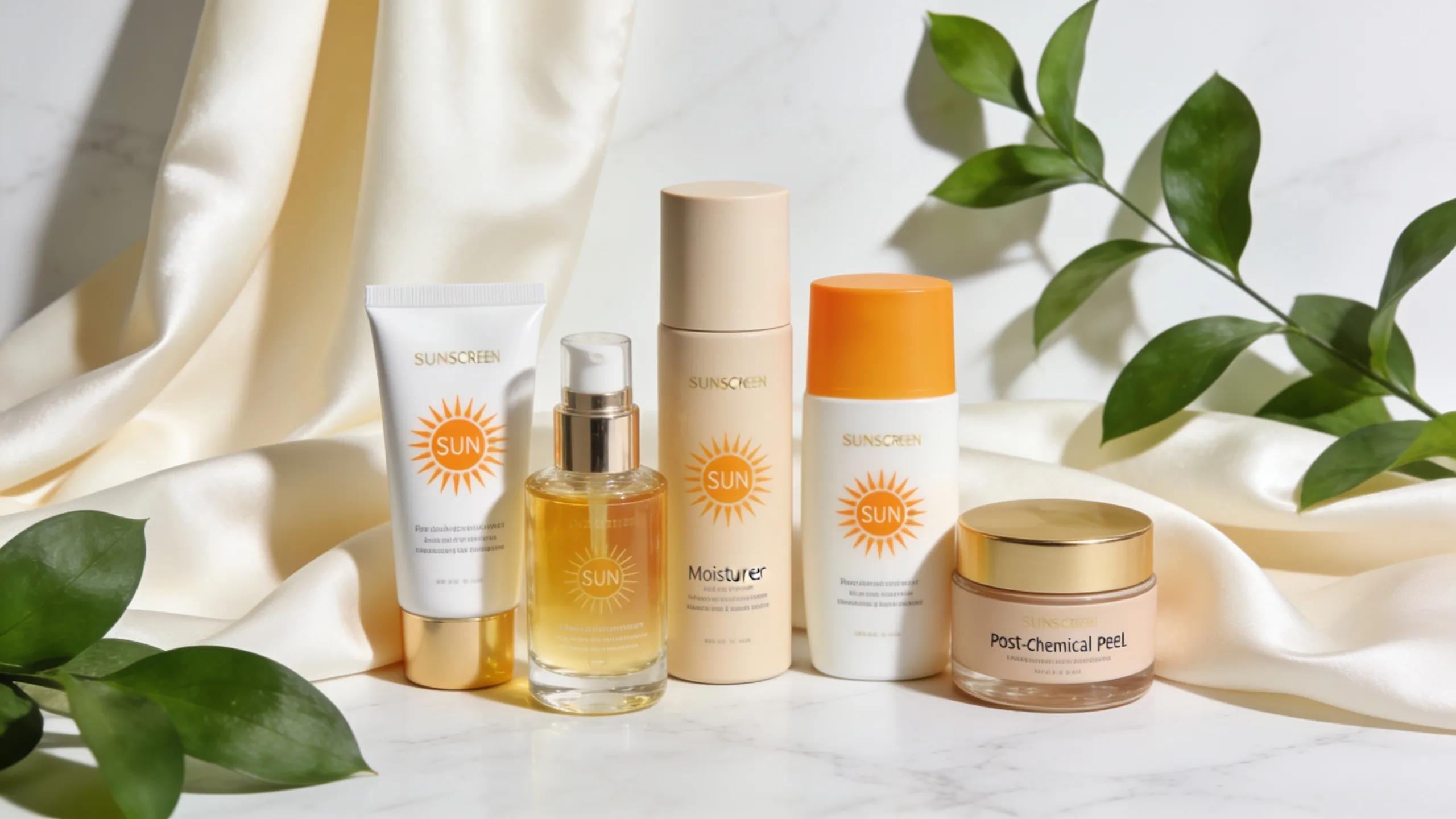
Utilizing sunscreen and moisturizer post-peel plays a pivotal role in skin protection and recovery. Sunscreen shields against sun damage, which is especially vital after the skin has been chemically treated. A quality moisturizer incorporates hydration and supports the skin barrier, promoting optimal healing conditions.
- Protection Against UV Damage: Sunscreen prevents darkening of post-peel skin.
- How Moisturizers Support Skin Recovery: They replenish lost moisture and support skin healing through smooth application and hydration retention.
- Application Guidelines for Effective Results: It’s advisable to reapply sunscreen every two hours when exposed to sunlight and use moisturizer twice daily for best results.
Understanding the essential roles of these products can significantly impact recovery and skin health.
Gentle Cleansing and Avoiding Exfoliation
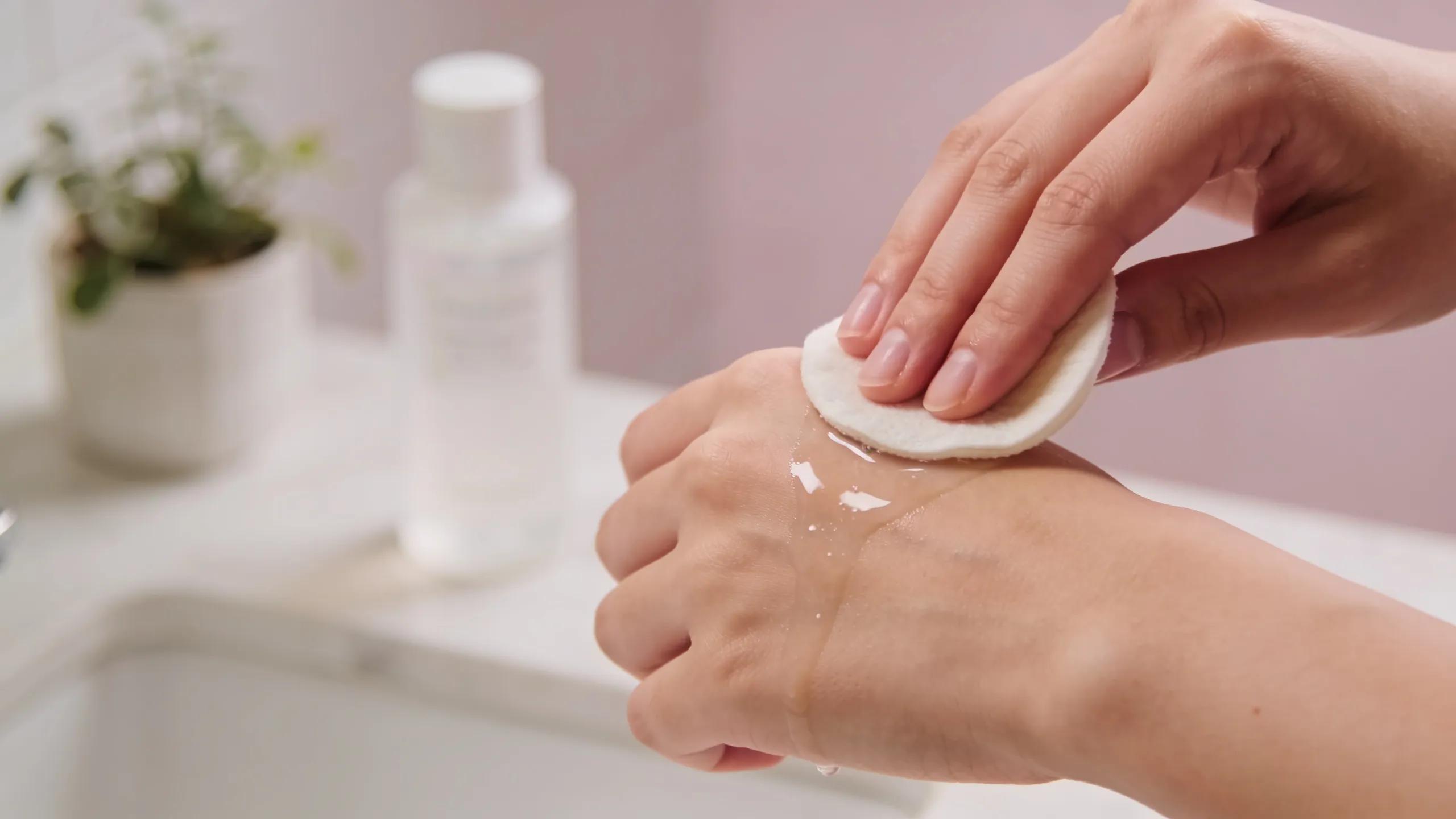
When it comes to cleansing the skin post-peel, selecting the right products and methods is crucial. Gentle cleansing ensures that the skin remains balanced without further irritation. It’s vital to avoid abrasive cleansers and exfoliants during the healing stages:
- Avoiding Abrasive Cleansers: Stick to gentle, hydrating cleansers that do not strip the skin.
- Maintaining Hydration: Ensure you are adequately moisturizing to keep the skin’s barrier intact.
- The Need for Gentle Product Use: Opt for products specifically designed for sensitive skin during this stage.
Establishing a gentle cleansing routine optimizes skincare and supports the healing process.
Professional Post-Peel Care at New Beauty Medical Aesthetics
Considering the complexity of post-peel recovery, seeking professional guidance can enhance outcomes significantly. At New Beauty Medical Aesthetics, we emphasize the importance of individualized post-peel care by offering consultations that tailor aftercare instructions to your specific needs. Our expertise ensures that you navigate the recovery process safely and effectively, reinforcing the importance of professional guidance when needed.
- Post-Peel Consultation Importance: We provide personalized aftercare plans that cater to individual skin types and peel depths.
- Expert Guidance on Aftercare: Our professional staff can recommend which products are suitable and guide you through avoiding common pitfalls.
- How to Enhance Peel Outcomes: Understanding your unique skin needs enables you to maximize the benefits of the peel while minimizing risks.
Investing in professional care enhances both the recovery experience and the long-term health of your skin.