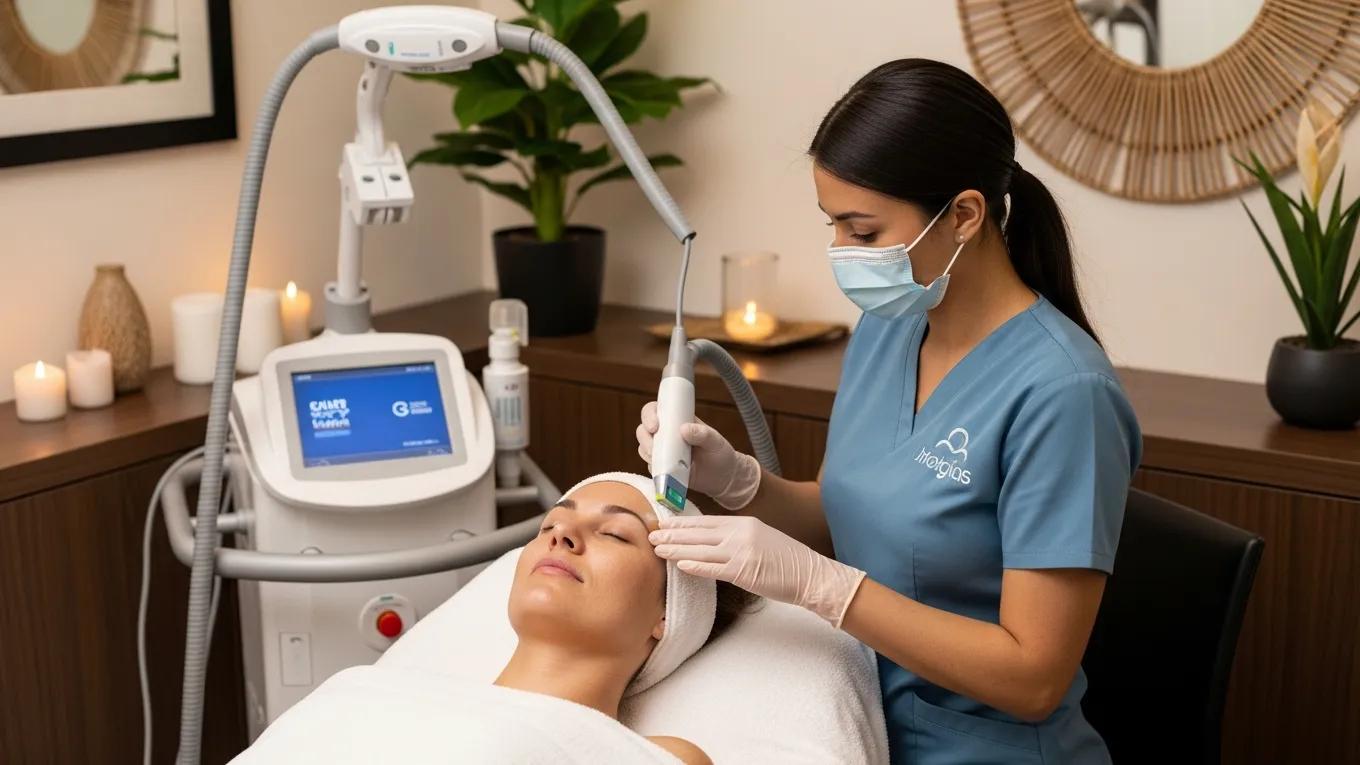
Understanding IPL Skin Rejuvenation Benefits: Expert Insights on Intense Pulsed Light Therapy Results and Safety
By Dr.Nikia Burns, New Beauty Medical Aesthetics
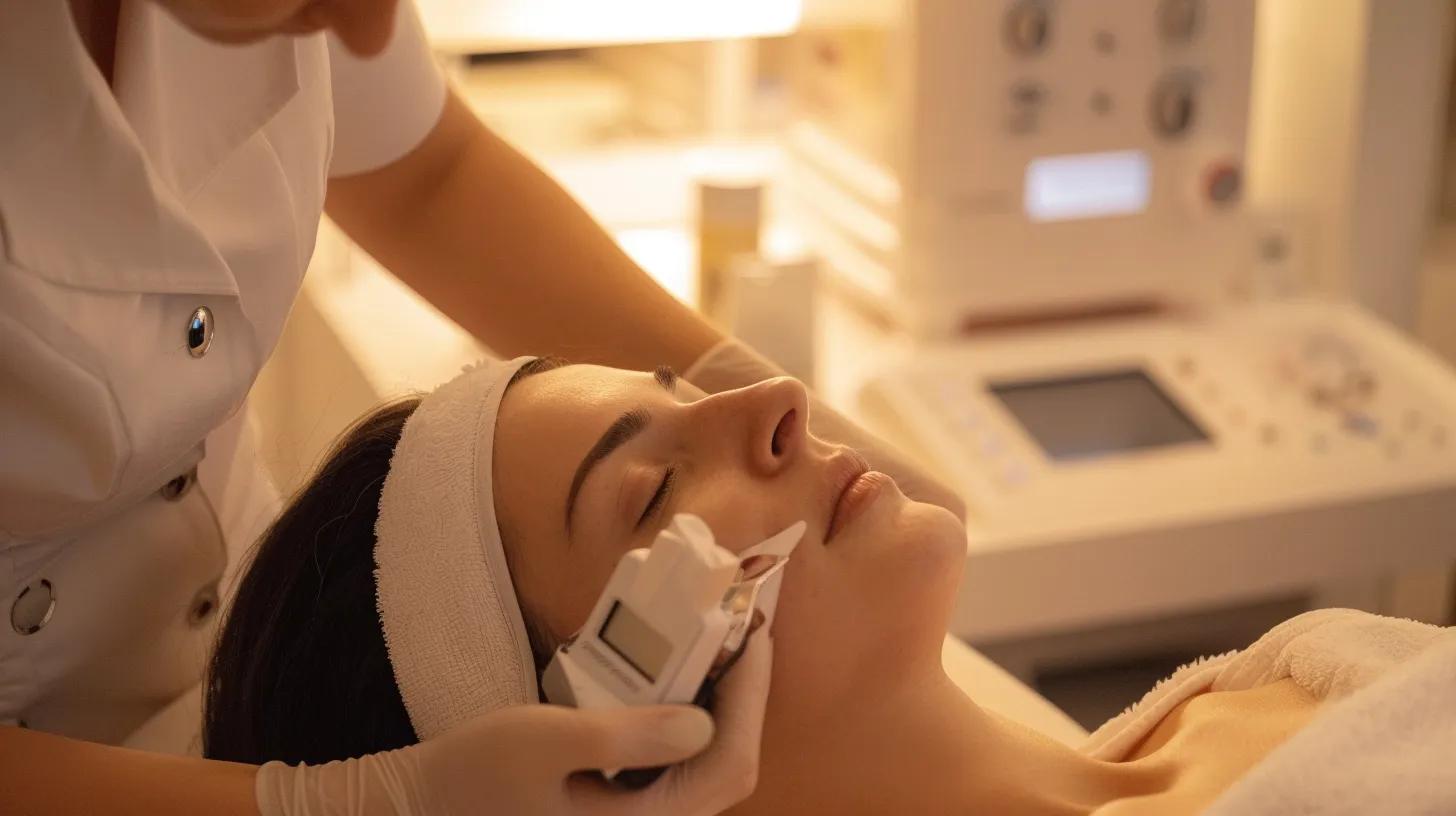
Intense Pulsed Light (IPL) therapy is a non‑invasive method to improve skin appearance, treating uneven tone, pigmentation and early signs of ageing. This article explains how IPL works, the benefits to expect, typical results and key safety considerations.
What Is IPL Treatment and How Does It Promote Skin Rejuvenation?
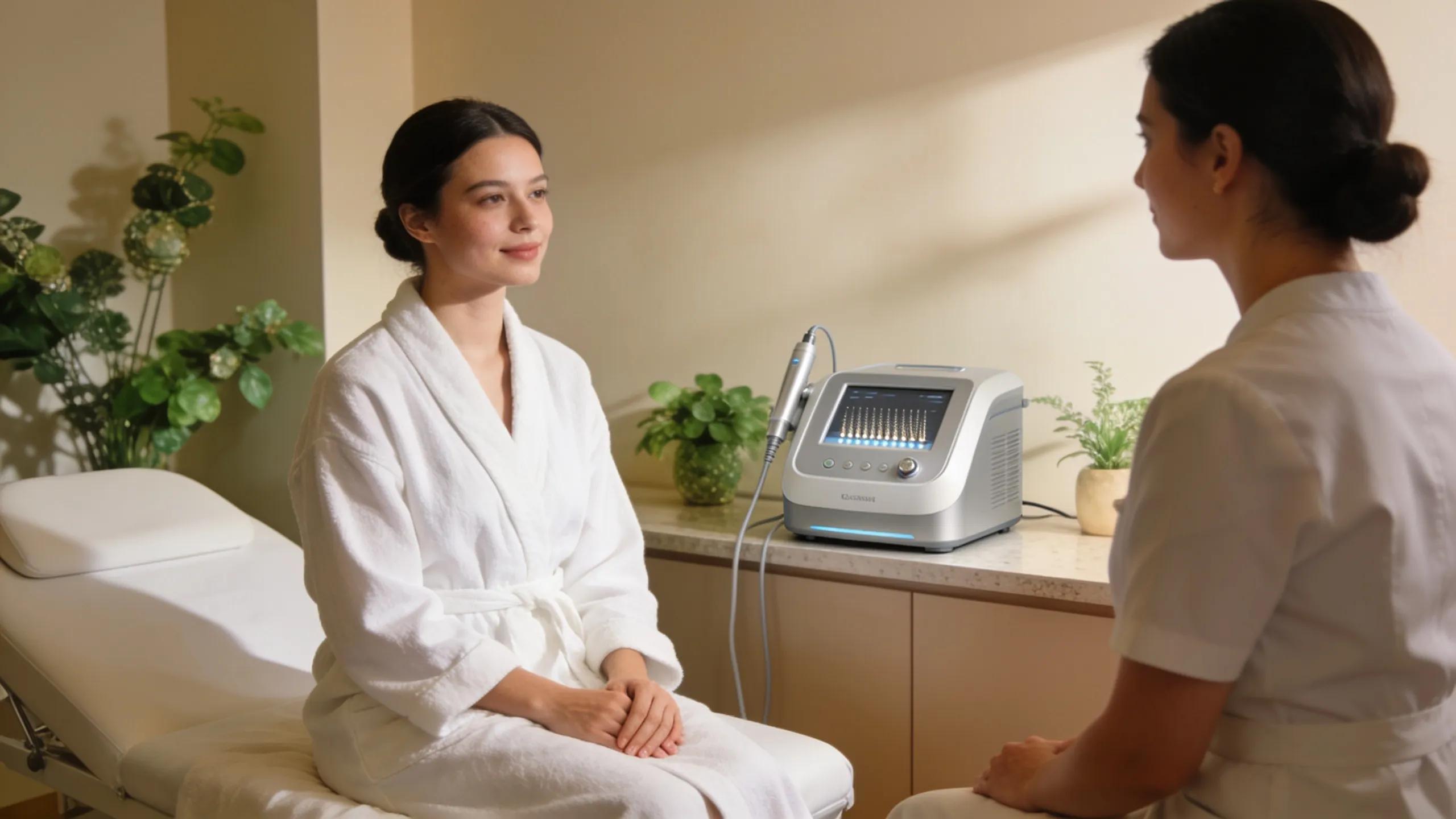
IPL uses broad‑spectrum light in short pulses to stimulate cellular activity and circulation, improving texture and tone. Clinics such as New Beauty Medical Aesthetics provide customised IPL protocols matched to individual skin needs.
How Does Intense Pulsed Light Stimulate Collagen Production?
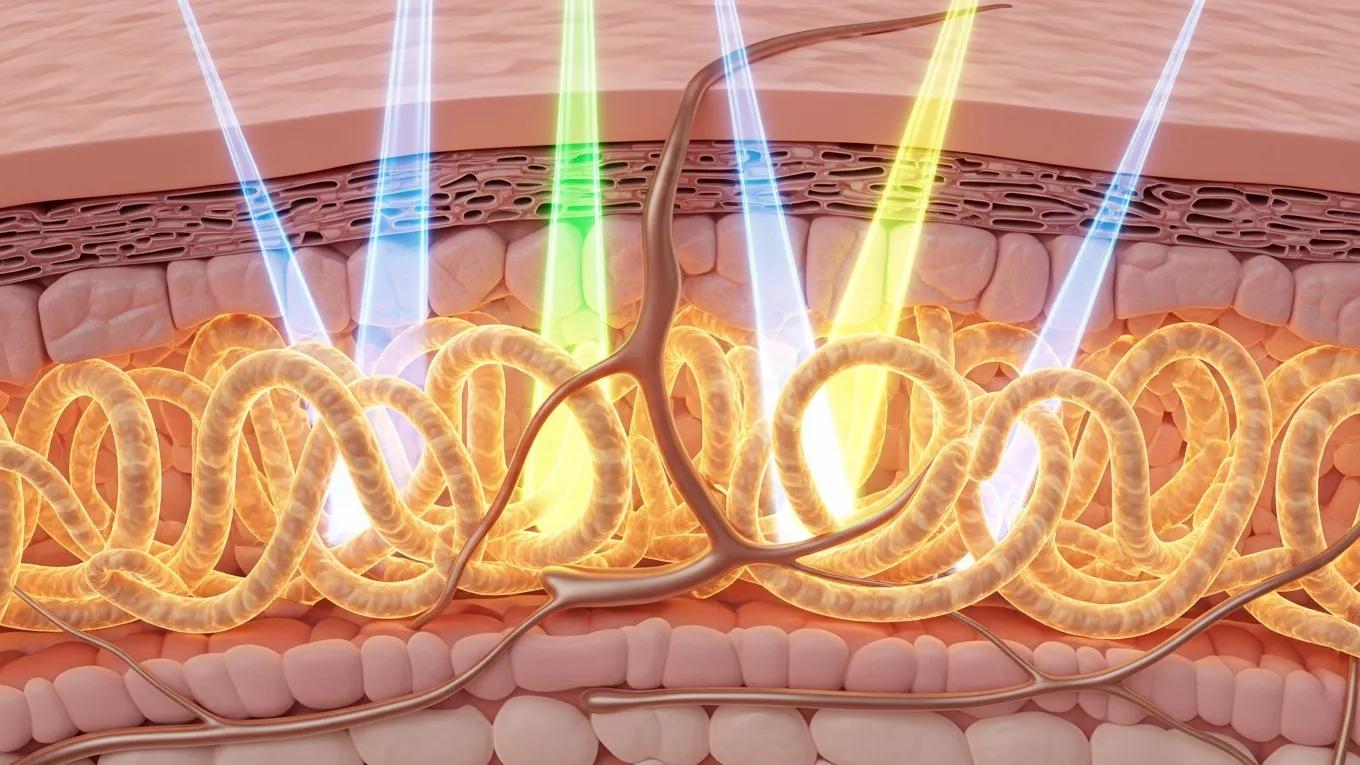
IPL delivers controlled light energy to the dermis, triggering a repair response that increases collagen synthesis. Renewed collagen firms the skin and softens fine lines, producing a firmer, more youthful complexion over time.
A deeper dive into the molecular mechanisms reveals how IPL effectively rejuvenates skin collagen.
IPL Rejuvenates Skin Collagen: Molecular Mechanisms
Clinical trials have demonstrated IPL’s ability to remodel the extracellular matrix in aged skin, although the underlying molecular pathways were not fully clarified. IPL appears to affect various cytokines, and those effects may influence the skin’s phenotype and prognosis. Mechanistically, IPL irradiation rejuvenates skin collagen via the bidirectional regulation of MMP-1 and TGF-β1 mediated by MAPKs in fibroblasts. IPL irradiation rejuvenates skin collagen via the bidirectional regulation of MMP-1 and TGF-β1 mediated by MAPKs in fibroblasts, 2011
Which Skin Conditions Can IPL Effectively Treat?
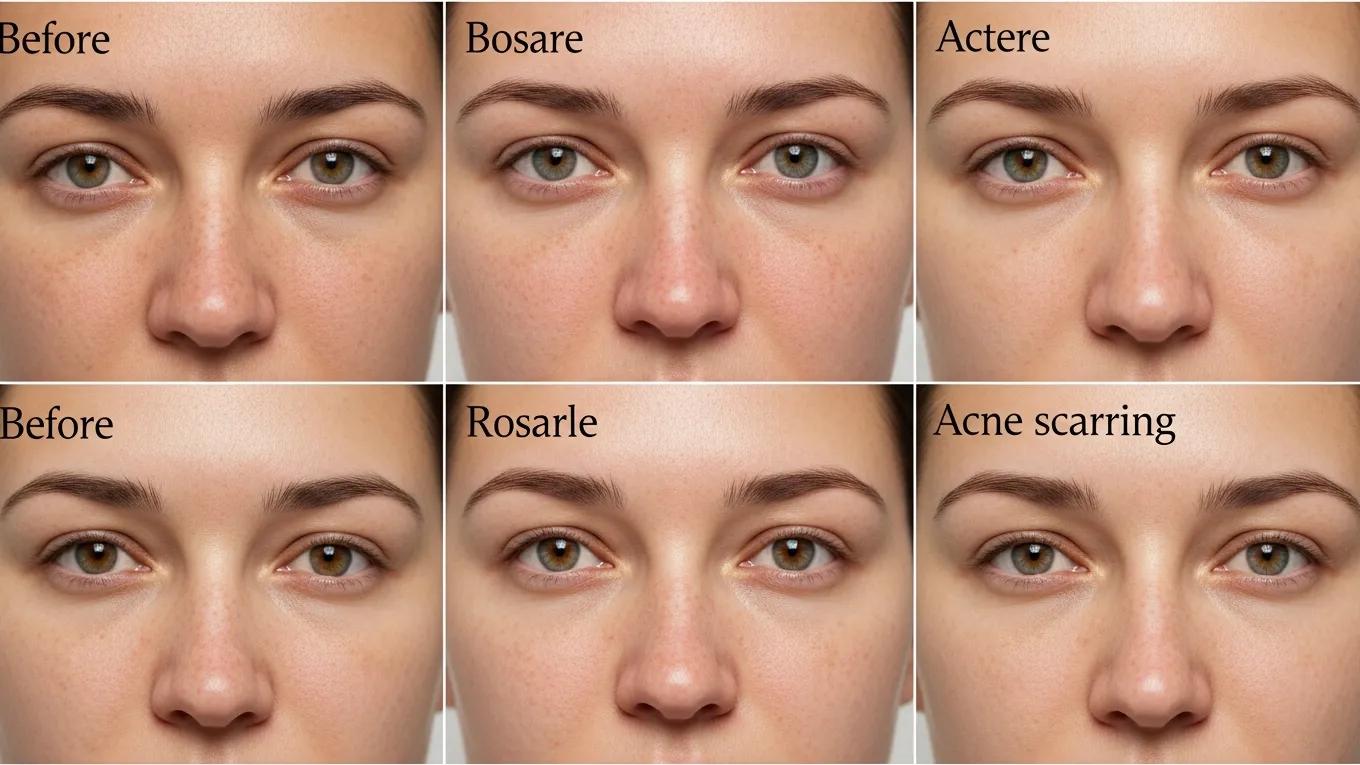
IPL is a versatile option that targets pigment and vascular issues while supporting overall skin quality.
- Hyperpigmentation: Reduces dark spots and uneven skin tone.
- Rosacea: Minimizes redness and visible blood vessels.
- Acne Scarring: Improves the appearance of scars left by acne.
- Sun Damage: Treats sunspots and other signs of photoaging.
As a non‑surgical choice, IPL can help restore clarity and confidence for many clients.
Further research confirms the broad efficacy of IPL in treating a range of skin concerns through systematic reviews.
Systematic Review of IPL for Skin Rejuvenation Efficacy
Intense Pulsed Light (ILP) is a noncollimated, polychromatic, and noncoherent non-surgical cosmetic therapy to skin rejuvenation. This is the first systematic review evaluating ILP treatment on skin rejuvenation evaluated by digital photographs and self-reported treatment efficacy. A PRISMA compliant review includes a search of the databases Scopus and PubMed. Sixteen studies treating 637 participants (with Fitzpatrick skin types I to IV and age varying from 21 to 80 years) were included. Patients were treated a mean of 4.29 sessions (range 3–7). The most studies results showed the efficacy of IPL treatment in telangiectasia, wrinkles, pore, erythema, rhytids, texture, lentigines, hiperpigmentation, and photoaging score.
Intense pulsed light on skin rejuvenation: a systematic review, M de Almeida Cruz, 2022
What Are the Expected Results and Benefits of IPL Therapy?
Clients can expect measurable improvements in appearance while preserving skin health.
- Improved Skin Texture: Enhanced smoothness and softness.
- Reduction of Redness: Diminished visibility of blood vessels and redness.
- Overall Rejuvenation Effects: A more youthful and radiant appearance.
Visible changes often appear after a few sessions, depending on individual goals.
The table summarises IPL’s main benefits and evidence level.
How Does IPL Improve Skin Texture and Tone?
IPL breaks down excess melanin and reduces superficial pigmentation to even tone, while stimulating collagen synthesis to improve elasticity. The combined effect is smoother, firmer skin with a more uniform tone.
What Positive Outcomes Can Clients Anticipate After IPL Sessions?
After a course of IPL treatments, clients commonly report:
- Smoother Skin: A noticeable improvement in skin texture.
- Brighter Complexion: Enhanced radiance and clarity.
- Long-term Benefits: Continued improvement in skin quality over time.
These improvements often increase client satisfaction and confidence.
What Are the Common Side Effects and Safety Considerations of IPL Treatment?
IPL is generally well tolerated, though temporary side effects can occur.
- Mild Redness: Temporary redness similar to a mild sunburn.
- Swelling: Slight swelling in the treated areas.
- Sensitivity: Increased sensitivity to sunlight for a short period.
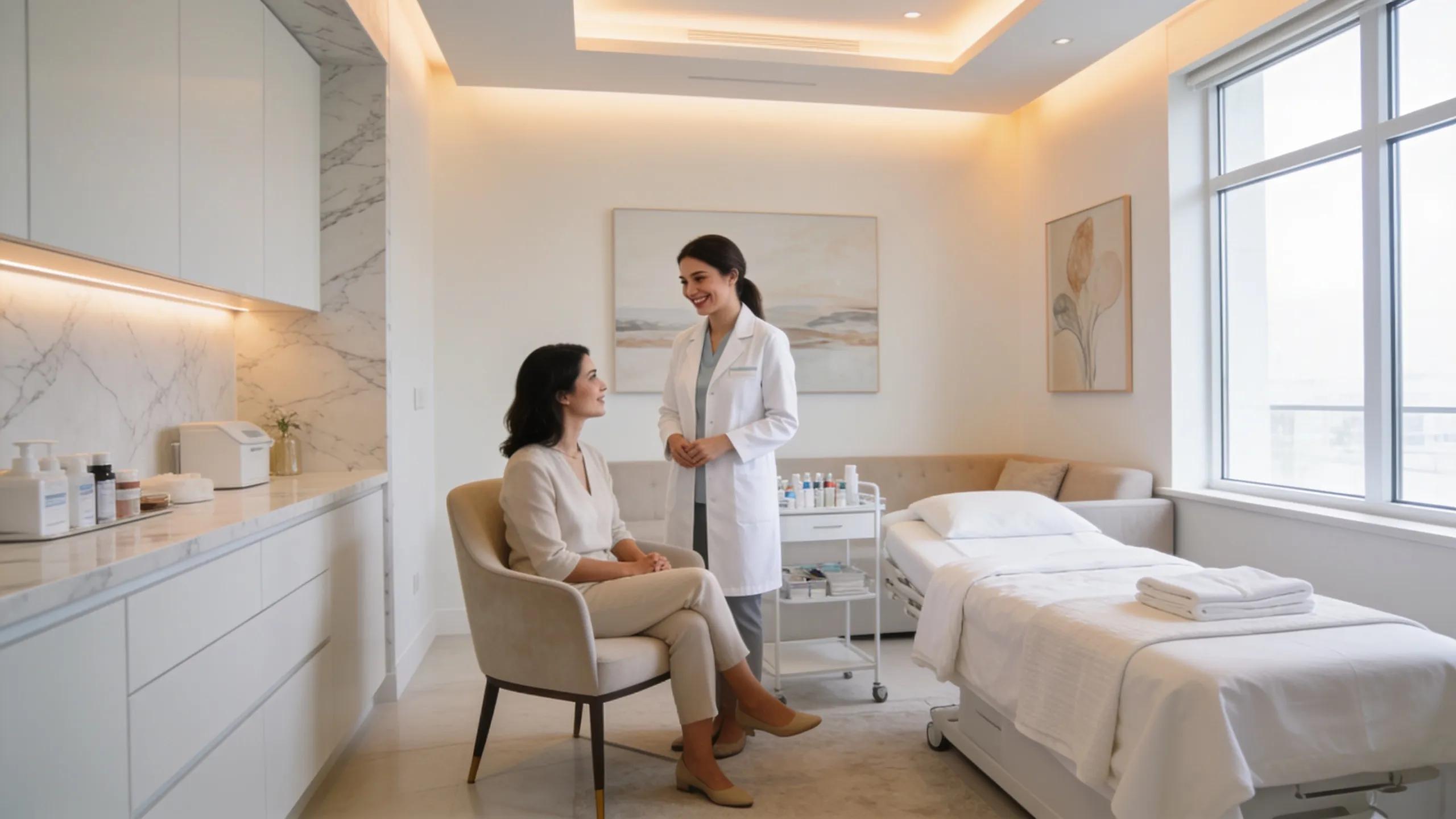
Following aftercare reduces risk and supports healing. A qualified practitioner will review safety and suitability for your skin type.
Are IPL Treatments Safe for All Skin Types?
IPL works for many skin types, but darker skin tones require careful assessment because of a higher risk of post‑inflammatory hyperpigmentation. A consultation with a trained professional determines the safest approach.
What Is the Typical Recovery Time Following IPL Therapy?
Recovery is usually brief: most people resume normal activities soon after treatment. Mild redness or swelling can last hours to a few days. Avoid direct sun exposure and follow your practitioner’s aftercare instructions.
How Does IPL Compare to Laser Skin Treatments for Rejuvenation?
IPL’s broad spectrum can treat multiple concerns in a single session, while lasers use a single wavelength for more targeted treatment. The optimal choice depends on the specific concern and treatment goals.
Beyond direct comparisons, further research highlights IPL’s specific anti-photoaging effects on UV-induced skin damage, offering another angle of its therapeutic benefits.
IPL’s Anti-Photoaging Effects on UV-Induced Skin Damage
Skin photoaging is predominantly induced by ultraviolet (UV) irradiation. Intense pulsed light (IPL) is a commonly employed non-ablative treatment for photoaging. However, the effects and mechanisms of IPL on UV-induced skin photoaging remain insufficiently understood. In this study, we aimed to examine the anti-photoaging effects of IPL and elucidate the underlying mechanisms.
Intense pulsed light rejuvenates UVB-induced photoaging in human keratinocytes and guinea pig skin by inhibition of ERK-AP-1-MMP pathway, 2026
What Are the Key Differences Between IPL and Laser Procedures?
The main distinctions are:
- Light Spectrum: IPL uses a broad spectrum of light, while lasers emit a single wavelength.
- Treatment Versatility: IPL can treat multiple skin issues in one session, whereas lasers are often more targeted.
- Recovery Time: IPL generally has a shorter recovery time compared to some laser treatments.
Knowing these differences helps match the treatment to your goals.
Which Treatment Is More Suitable for Specific Skin Concerns?
Choose IPL to improve overall skin tone and texture; select lasers for specific targets such as deep wrinkles or individual scars. A consultation with a qualified practitioner will determine the most effective option for your goals.
In summary, IPL offers a non-invasive approach to skin rejuvenation by stimulating collagen and improving texture. New Beauty Medical Aesthetics provides tailored IPL treatments to help clients achieve lasting results and satisfaction.
Frequently Asked Questions
How many IPL sessions are typically required for optimal results?
Most clients need 3–6 sessions spaced about 4–6 weeks apart. Some see improvement after one session, but a series usually provides more durable results. A practitioner will personalise your plan.
Can IPL therapy be combined with other skin treatments?
Yes. IPL is often combined with chemical peels, microdermabrasion or laser procedures to enhance outcomes. Confirm timing and safety with your provider.
What should I do to prepare for an IPL treatment?
Avoid sun exposure and tanning beds for at least two weeks. Follow clinician advice about medications and stop retinoids or exfoliants in the days before treatment.
How long do the results of IPL therapy last?
Results can last months to years depending on skin type, age and lifestyle. Maintenance sessions and consistent sun protection help prolong benefits.
Are there any contraindications for IPL therapy?
Contraindications include active skin infections, certain inflammatory skin diseases, a history of keloid scarring, pregnancy and photosensitivity disorders. A full medical consultation is essential.
What aftercare is recommended following IPL treatment?
Avoid direct sun and wear broad‑spectrum sunscreen. Refrain from retinoids or exfoliants for about a week, keep skin moisturised and avoid hot showers or strenuous exercise for a few days. Follow your practitioner’s specific advice.