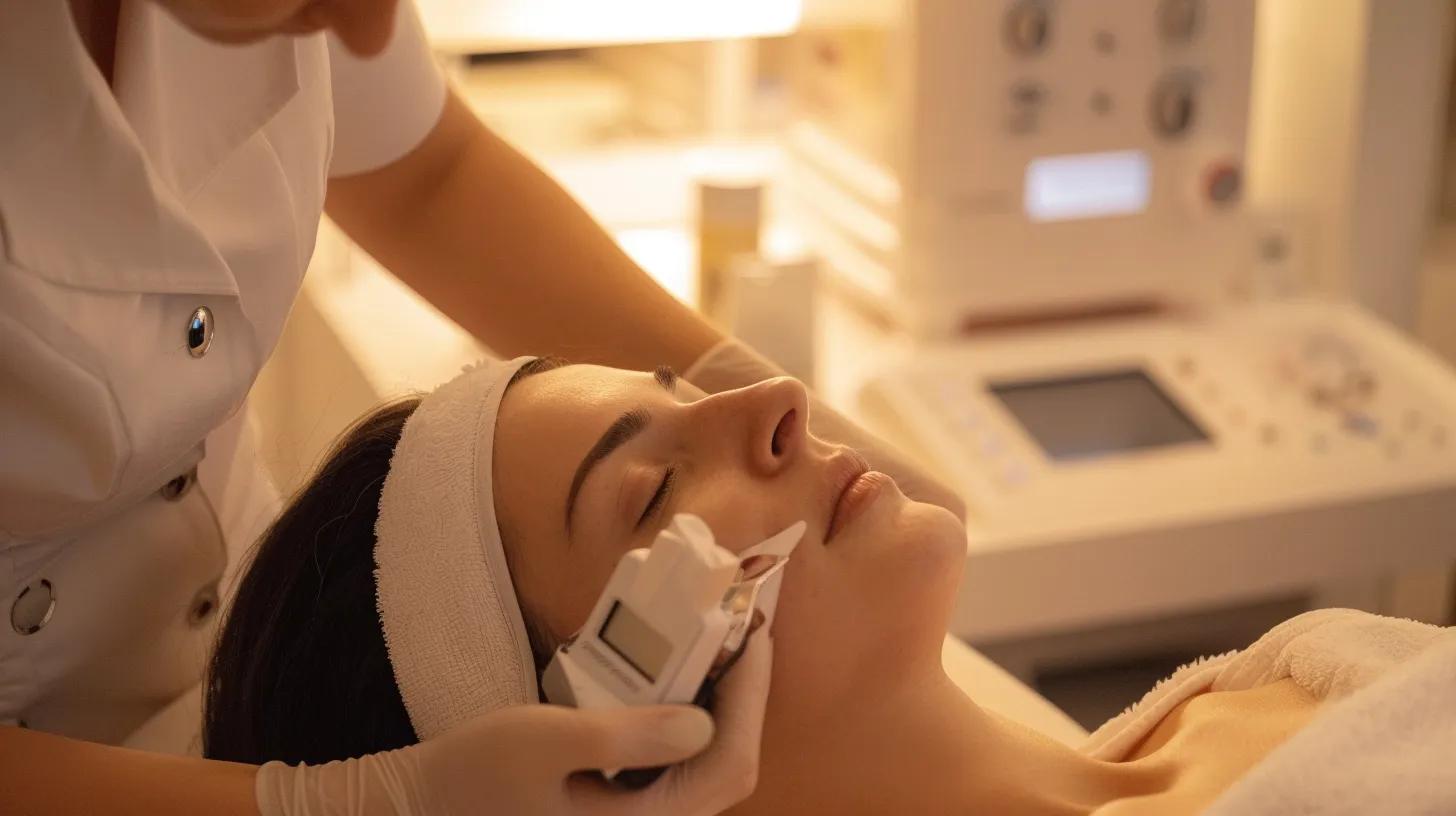
Synergistic IPL Rejuvenation at New Beauty Medical Aesthetics
By Dr.Nikia Burns, New Beauty Medical Aesthetics
Intense Pulsed Light (IPL) therapy is a widely used, non‑invasive option for skin rejuvenation. This guide explains the mechanism, clinical benefits, and practical applications of IPL when used alone and in combination with complementary treatments. Many people seek solutions for pigmentation, redness, and signs of ageing while wanting minimal downtime. Combining IPL with other modalities creates a synergistic approach that can address multiple concerns at once. Below we cover what IPL is, how it works, which conditions it treats, advantages of combination protocols, and key considerations for patients.
Clinical evidence supports IPL’s effectiveness, especially when it’s integrated with other treatments for broader skin rejuvenation.
IPL for Skin Rejuvenation: Efficacy & Combination Therapy Review
Intense Pulsed Light (ILP) is a noncollimated, polychromatic, and noncoherent non-surgical cosmetic therapy to skin rejuvenation. The most studies results showed the efficacy of IPL treatment in telangiectasia, wrinkles, pore, erythema, rhytids, texture, lentigines, hiperpigmentation, and photoaging score. Six studies showed IPL-positive effects in association with other treatment and seven studies showed superior effect of other treatment or association to IPL with other treatment related to IPL alone. In conclusion, ILP treatment is effective on skin rejuvenation.
Intense pulsed light on skin rejuvenation: a systematic review, M de Almeida Cruz, 2022
Synergistic IPL Rejuvenation at New Beauty Medical Aesthetics
IPL delivers broad‑spectrum light to the skin to target specific chromophores such as melanin and hemoglobin. The device’s light is absorbed by these targets to reduce pigmentation and vascular blemishes while improving overall skin quality. Clinically, IPL is used for hair reduction, acne management, and general skin rejuvenation, making it a versatile tool in aesthetic practice.
The broad wavelength range of IPL enables selective targeting of the skin’s primary chromophores, underpinning its clinical utility.
Understanding IPL: Mechanism of Action & Chromophores
To further define the mechanism of action of IPL application, it is important to understand that due to the broad spectrum of wavelengths, the three key chromophores can be activated with broadband IPL because the major absorption bands of melanin, hemoglobin, and water are covered.
Intense pulsed light (IPL): a review, 2010
Synergistic IPL Rejuvenation at New Beauty Medical Aesthetics
IPL emits controlled light pulses that penetrate to different skin depths. Target chromophores absorb the energy, which helps break down unwanted pigmentation and stimulates dermal collagen remodelling. This combined effect improves skin tone, reduces visible vessels in conditions such as rosacea, and refines texture for a more even appearance.
Skin Conditions Addressed by IPL
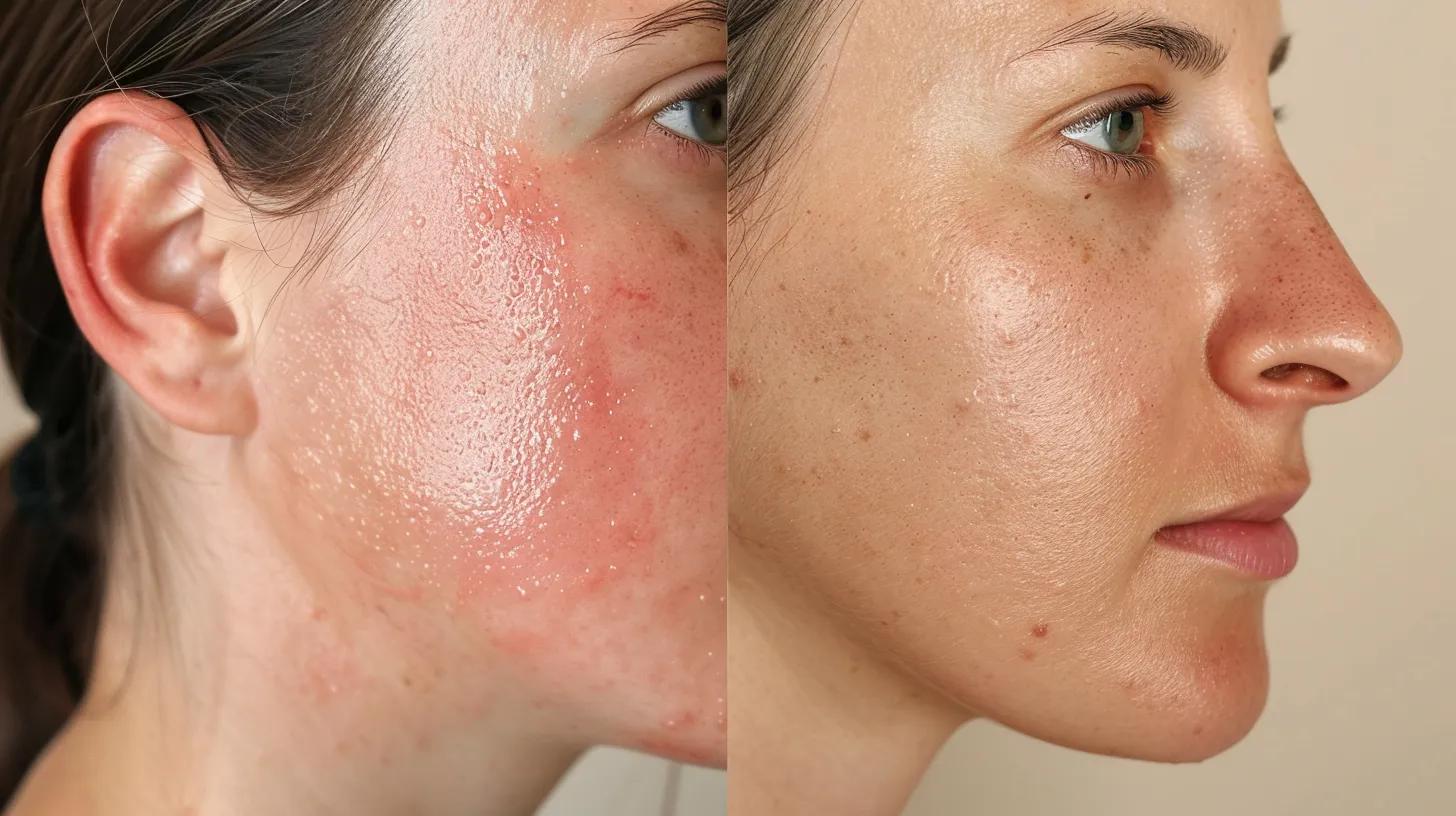
IPL is effective for a range of common concerns, including:
- Sun Damage: Reduces the appearance of sunspots and discoloration.
- Redness and Rosacea: Targets blood vessels to diminish redness and improve skin tone.
- Acne Scars: Helps in reducing the visibility of scars and promotes healing.
These issues can affect how you feel about your appearance. IPL offers an evidence‑based, minimally invasive option to restore a more uniform and vibrant complexion.
Benefits of Combining IPL with Other Treatments
Integrating IPL with complementary modalities can amplify clinical outcomes and deliver more complete rejuvenation. Key advantages include:
- Enhanced Efficacy: Synergy between modalities often produces stronger results than single treatments.
- Comprehensive Results: Multiple concerns can be addressed in a coordinated plan for better overall skin health.
- Minimal Downtime: Many combination protocols are designed to be gentle, allowing a quicker return to daily activities.
If you’re considering combination therapy, New Beauty Medical Aesthetics provides customised plans that integrate IPL with other proven modalities to optimise outcomes for each patient.
Clinical studies show improved outcomes when IPL is combined with modalities like microneedling, supporting a multimodal approach to skin rejuvenation.
Microneedling-Assisted IPL for Enhanced Skin Rejuvenation
Through this prospective, controlled, and randomized clinical study, we have demonstrated that the combined regimen of microneedling-assisted IPL and hydrolifting exhibits superior efficacy in improving facial inflammation and overall skin quality compared to monotherapy or dual therapy approaches.
Sequential Triple Therapy for Facial Inflammation: Prospective Evaluation of Facial Microneedle, Hydrolifting, and Intense Pulsed Light Therapy, 2025
Advantages of IPL Combination Treatments
Beyond immediate cosmetic gains, combination IPL protocols can contribute to sustained skin health. Benefits commonly observed include:
- Comprehensive Results: Simultaneous targeting of multiple issues for a more youthful, vibrant appearance.
- Enhanced Efficacy: Faster, more noticeable improvements are often achievable with combined approaches.
- Minimal Downtime: Many regimens are formulated to be well tolerated, supporting quicker recovery.
These advantages make IPL combinations an attractive option for patients who want effective, clinically supported skin rejuvenation with manageable recovery.
Important Considerations for Potential Users
Before proceeding, consider several clinical factors that affect safety and outcomes:
- Candidate Suitability: Not every patient is an ideal candidate for IPL. A professional assessment determines appropriateness and risk.
- Pre-treatment Preparation: Proper skin preparation and avoidance of sun exposure or certain medications can improve safety and results.
- Post-treatment Care: Adhering to aftercare instructions is essential to support healing and optimise outcomes.
Awareness of these considerations helps you make informed decisions and sets realistic expectations for your treatment plan.
Frequently Asked Questions
What should I expect during an IPL treatment session?
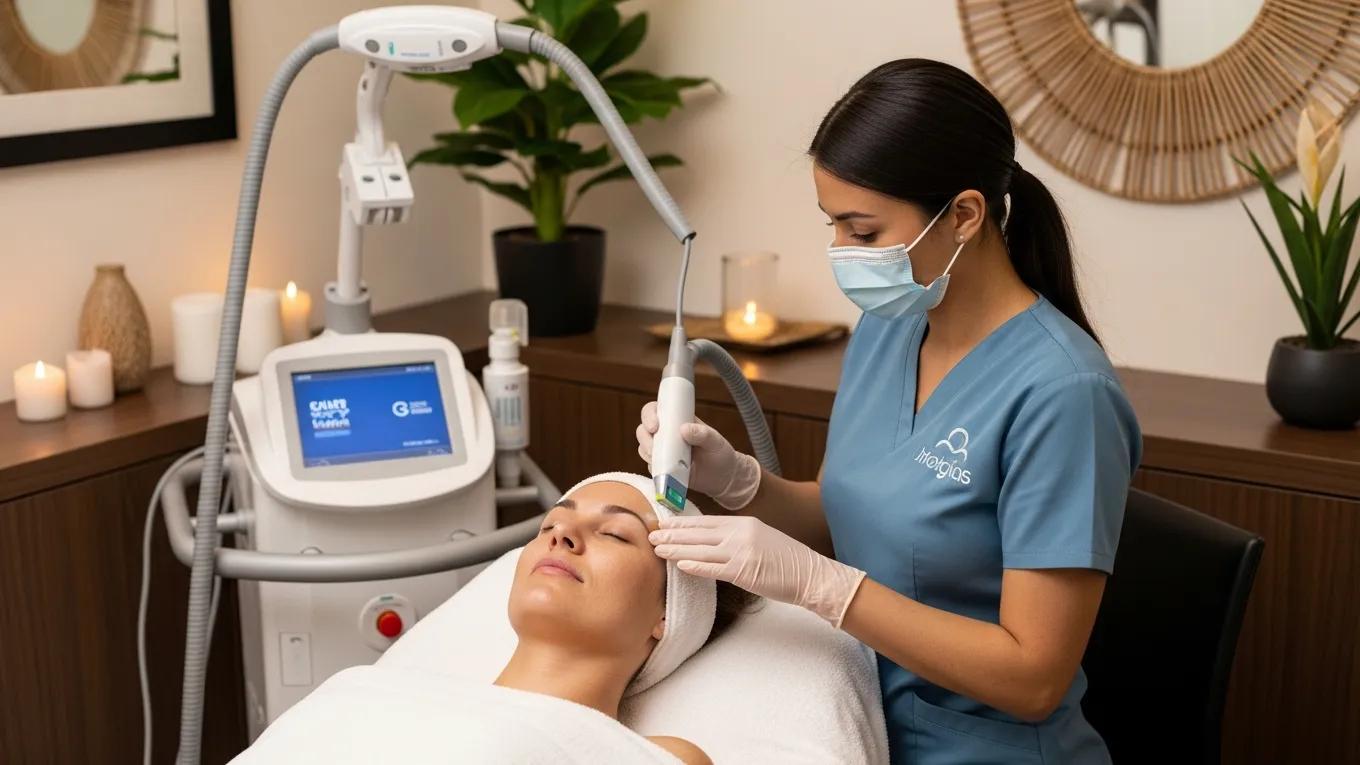
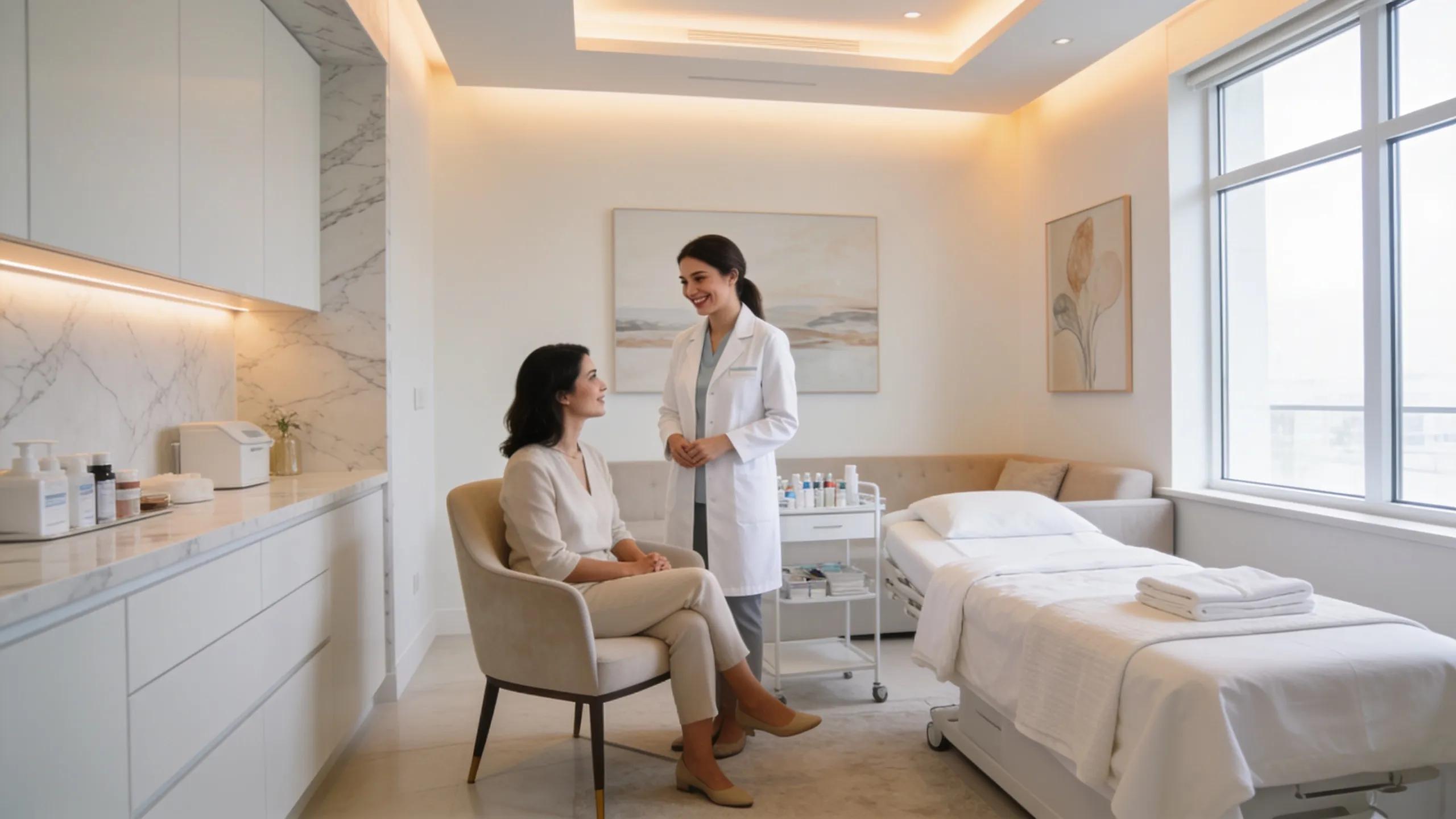
You’ll start with a consultation to review your skin and goals. Treatment sessions typically last 30–60 minutes depending on the area. You may feel a mild snapping sensation as pulses are delivered. Protective eyewear is used and a cooling gel may be applied for comfort. Mild redness or swelling can occur but usually resolves within hours to a few days.
How many IPL sessions are typically required for optimal results?
Optimal results usually require a series of treatments. Most patients benefit from 3–6 sessions spaced about 4–6 weeks apart to allow skin recovery and collagen remodelling. Your practitioner will recommend a personalised schedule based on your concerns and response to therapy.
Are there any side effects associated with IPL treatments?
IPL is generally safe when performed by trained clinicians. Common temporary effects include redness, swelling or mild discomfort that resolve within hours to days. Rarely, blistering or pigment changes can occur. Following pre‑ and post‑treatment instructions reduces risk and supports healing.
Can IPL be used on all skin types?
IPL can treat many skin types, but it isn’t suitable for everyone. Darker skin tones carry a higher risk of pigmentary changes because IPL targets melanin. A thorough consultation is essential to evaluate your skin type and, if needed, discuss alternative or tailored approaches to enhance safety.
How does IPL compare to laser treatments?
Both IPL and lasers are effective for rejuvenation but operate differently. IPL uses broad‑spectrum light to address multiple concerns at once, while lasers deliver focused wavelengths for targeted issues. IPL is often less invasive with shorter recovery, but lasers may be preferred for very specific or deep targets. Your clinician will advise the best option for your goals.
What aftercare is recommended following an IPL treatment?
After treatment, avoid sun exposure and use a broad‑spectrum sunscreen to protect the area. Keep skin hydrated and avoid harsh products for several days. If you experience excessive redness, blistering or other concerning symptoms, contact your practitioner promptly. Proper aftercare helps preserve results and speed recovery.