Expert Chemical Peel Guides at New Beauty Medical Aesthetics
By Dr.Nikia Burns, New Beauty Medical Aesthetics
Chemical peels resurface skin by removing damaged outer cells and stimulating regeneration. Outcomes are improved by careful pre-procedure preparation and structured aftercare; below are concise, practical steps to prepare, recover, and protect your skin for the best results.
Chemical Peel Preparation and Recovery Tips
Good preparation reduces complications and improves efficacy. A personalised pre-treatment plan and clear post-peel instructions support healing and preserve results.
These guidelines expand on essential pre- and post-peel measures and stress the role of a comprehensive patient history in maximising safety and outcomes.
Chemical Peel Guidelines: Pre- & Post-Peel Care & Patient History
These guidelines identify the indications for chemical peels, various agents that can be utilized, methodology, pre- and postpeel care, associated complications, and expected results. A. History should include general medical history, degree of sun exposure, occupation to judge the level of sun exposure, history of herpes simplex, recent isotretinoin treatment in the last six months (for medium depth and deep peels), keloidal tendency, tendency for postinflammatory hyperpigmentation, current medications, any previous surgical treatment, immunocompromising conditions, and smoking (may delay healing in deep peels; this is not relevant for superficial peels).
Standard guidelines of care for chemical peels, 2008
Preparation Steps:
- Book a Consultation: Meet a qualified practitioner to review skin type, medications, and goals.
- Follow a Pre-Treatment Routine: Use gentle cleansing, hydration and avoid new active ingredients in the days before treatment.
- Protect Your Skin from the Sun: Minimise sun exposure and use broad-spectrum SPF to lower complication risk.
These steps help stabilise the skin barrier and reduce the chance of adverse reactions during the peel.
Post-Peel Care Guidelines:

Focused aftercare soothes skin, prevents infection, and reduces pigment changes. Keep routines simple and gentle.
- Keep Your Skin Moisturized: Apply a gentle, hydrating moisturizer frequently.
- Use Sunscreen Religiously: Daily broad-spectrum SPF is essential while skin is healing.
- Stick to a Gentle Skincare Routine: Avoid acids, retinoids, and abrasive products until healed.
Follow your clinician’s specific instructions to maximise recovery and results.
What to Avoid After a Chemical Peel:
Certain behaviours increase risk or delay healing; avoid irritants and mechanical disruption of treated skin.
- Don’t Pick or Scratch the Skin: Let skin slough naturally to prevent scarring and pigment issues.
- Avoid Intense Workouts: Heavy sweating can irritate newly treated skin for a few days.
- Don’t Use Active Ingredients Too Soon: Wait to reintroduce retinoids, strong acids, or other actives until cleared by your clinician.
Following these limits helps reduce infection, scarring, and unwanted pigmentation.
Recommendations for Optimal Skin Rejuvenation:
Consistent follow-up and daily habits prolong benefits and support skin health.
- Attend Follow-Up Appointments: Let your practitioner monitor healing and advise when to resume normal treatments.
- Maintain a Consistent Skincare Routine: Continue gentle, hydrating products as directed.
- Stay Hydrated: Adequate water intake supports barrier repair.
These measures help maintain improved texture, tone, and overall skin condition after a peel.
How Should You Prepare Your Skin Before a Chemical Peel?
Preparation focuses on strengthening the skin barrier and minimising inflammation: avoid new actives, hydrate, and protect from sun exposure in the run-up to treatment.
What Are the Essential Pre Peel Skin Preparation Steps?
The essentials are:
- Consultation: Confirm suitability and review history and medications.
- Skincare Regimen: Use mild cleansers and moisturisers; pause irritants as advised.
- Sun Protection: Use sunscreen daily and avoid intentional tanning.
These steps reduce the chance of adverse reactions and lead to more predictable outcomes.
Which Products and Activities Should Be Avoided Before Treatment?
Avoid anything that thins or irritates the skin in the week(s) prior:
- Avoid Retinoids: Stop topical retinoids as instructed (commonly ~1 week for superficial peels; follow clinician advice for deeper peels).
- Skip Exfoliating Products: No scrubs or strong acids right before treatment.
- Limit Sun Exposure: Reduce UV exposure to lower complication risk.
Following these precautions helps ensure a safer procedure and steadier healing.
What Can You Expect During the Chemical Peel Procedure?
Procedures are straightforward and monitored to manage comfort and safety.
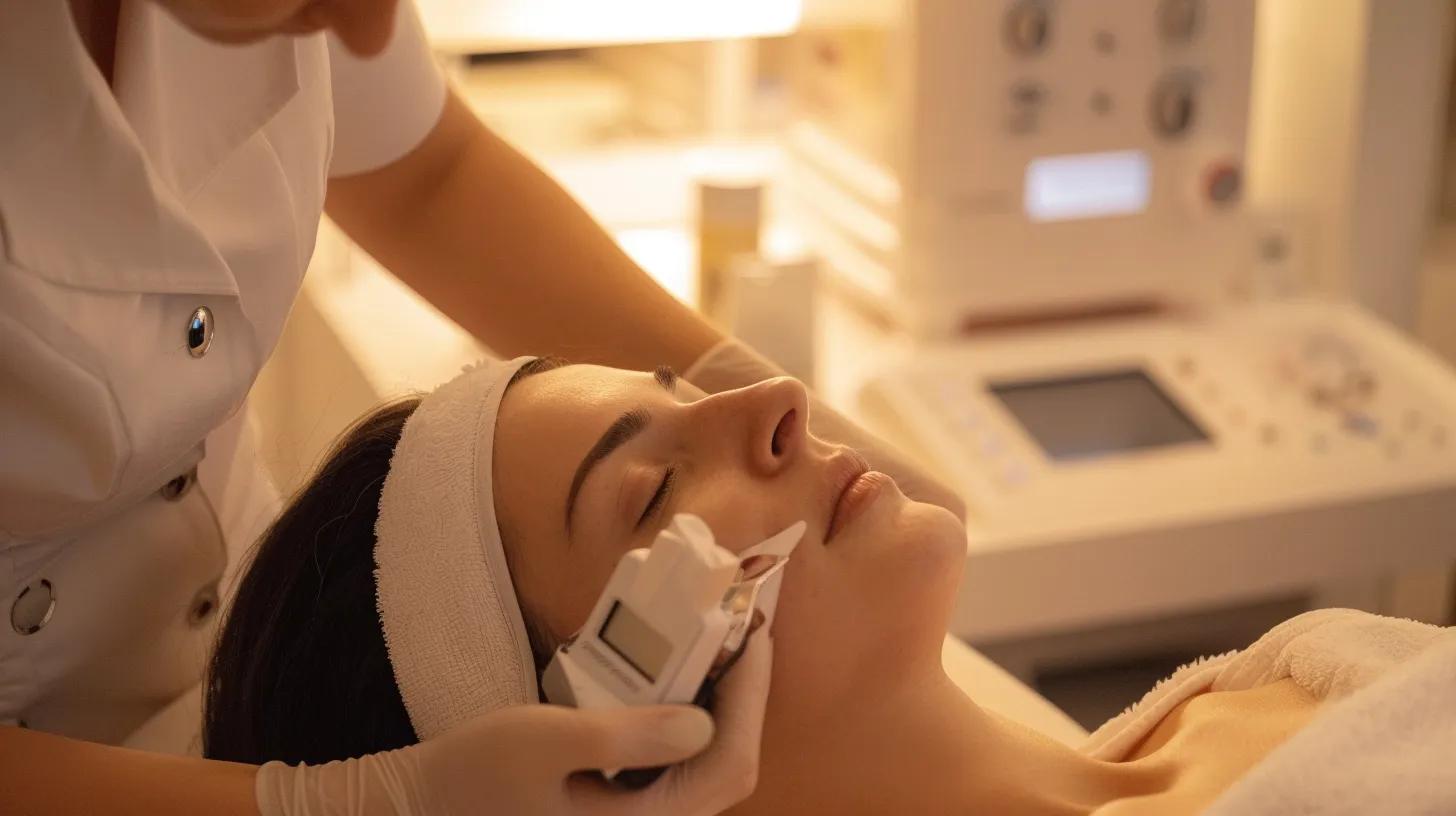
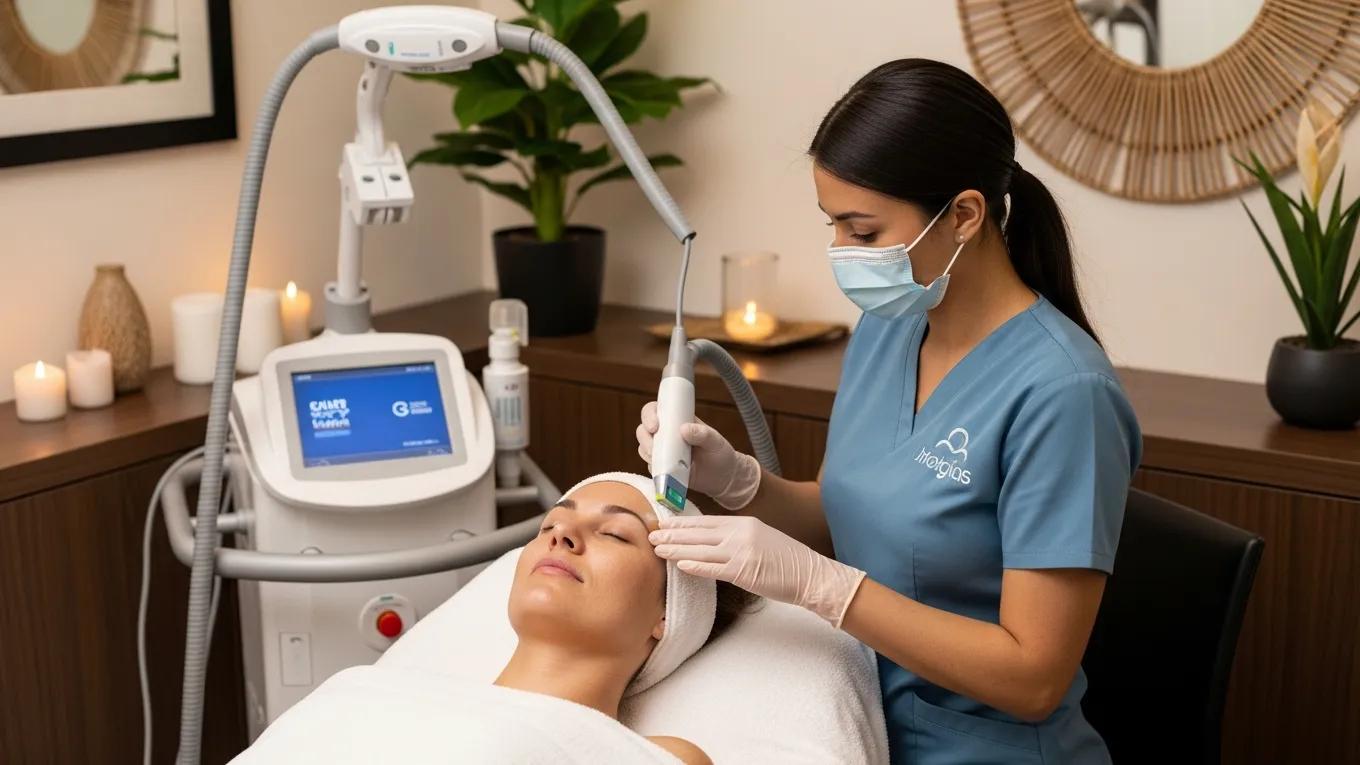
- Skin Cleansing: The area is cleansed to remove oils and debris.
- Application of Chemical Solution: A solution is applied and may cause tingling.
- Monitoring: Your clinician watches your skin and uses neutralising or calming measures as needed.
Understanding the steps reduces anxiety and helps you follow post-care instructions accurately.
How Is the Peel Applied and What Are the Different Types?
Peels vary by depth and strength; the clinician selects the type to match concerns and downtime.
- Superficial Chemical Peel: Mild acids for surface exfoliation; minimal downtime.
- Medium Chemical Peel: Deeper penetration to address pigmentation and fine lines; moderate downtime.
- Deep Chemical Peel: Intensive treatment for severe issues; requires longer recovery and medical oversight.
Choice depends on skin concerns, medical history, and desired recovery time.
Expert Chemical Peel Guides at New Beauty Medical Aesthetics
Common immediate effects are expected and managed by clinicians.
- Tingling or Burning: Mild, often transient during application.
- Redness: Immediate erythema similar to sunburn is common.
- Swelling: Possible with deeper peels; cooling and topical agents reduce discomfort.
Your clinician will use cooling and calming measures and advise on pain control if needed.
What Are the Best Practices for Post Peel Skincare and Recovery?
Simple, gentle care speeds recovery and protects new skin.
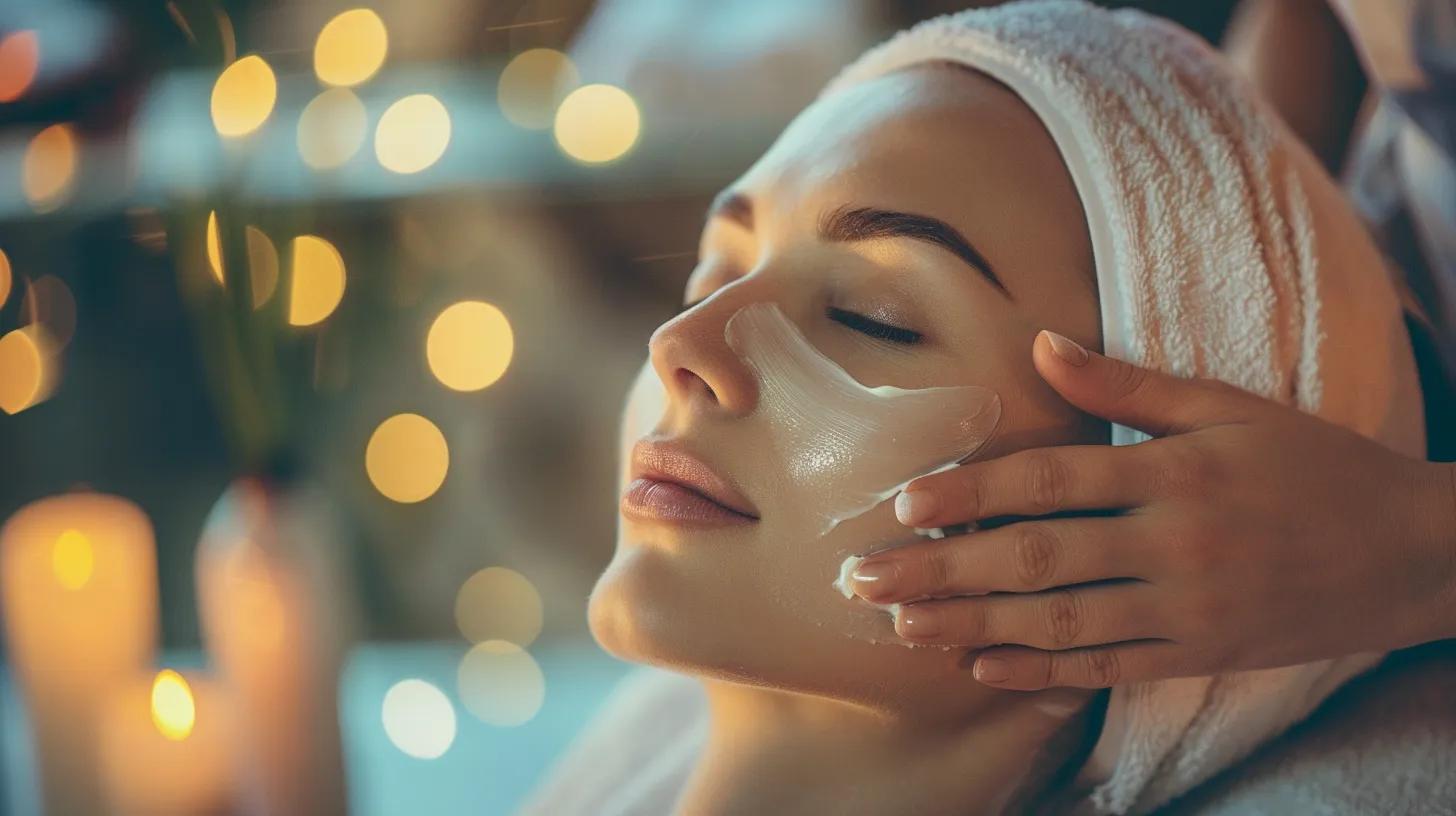
- Gentle Cleansing: Use a mild, non-irritating cleanser.
- Hydration: Regular moisturiser applications to support barrier repair.
- Avoiding Makeup: Delay makeup for the time advised to reduce irritation and infection risk.
These practices reduce complications and support consistent healing.
Which Post Peel Care Instructions Optimize Healing and Results?
Key instructions are easy to follow and effective.
- Moisturize Regularly: Keep skin hydrated to reduce tightness and flaking.
- Use Sunscreen: Protect treated skin daily with high-SPF broad-spectrum sunscreen.
- Avoid Picking: Let peeling occur naturally to prevent scarring and pigment changes.
Consistent care protects new skin and maximises long-term benefits.
Expert Chemical Peel Guides at New Beauty Medical Aesthetics
Most side effects are mild; watch for worsening signs that need professional review.
- Redness and Swelling: Expect these to ease; cooling and anti-inflammatory care help.
- Peeling Skin: Normal—do not pick.
- Itching: Use soothing, non-irritating creams as advised.
Contact your medical aesthetician or doctor if you have severe pain, spreading redness, pus, or any worsening signs.
This underscores the need for precise application and tailored aftercare to avoid complications from improper product use or mismatched peel selection.
Preventing Chemical Peel Complications & Ensuring Recovery
When peel solutions are overused, inappropriately used or mismatched with a skin type, then operative complications occur. Once the peel is completed the recovery and re-
Complications of Chemical Peeling, 2008
What Are Common Chemical Peel Side Effects and Their Management?
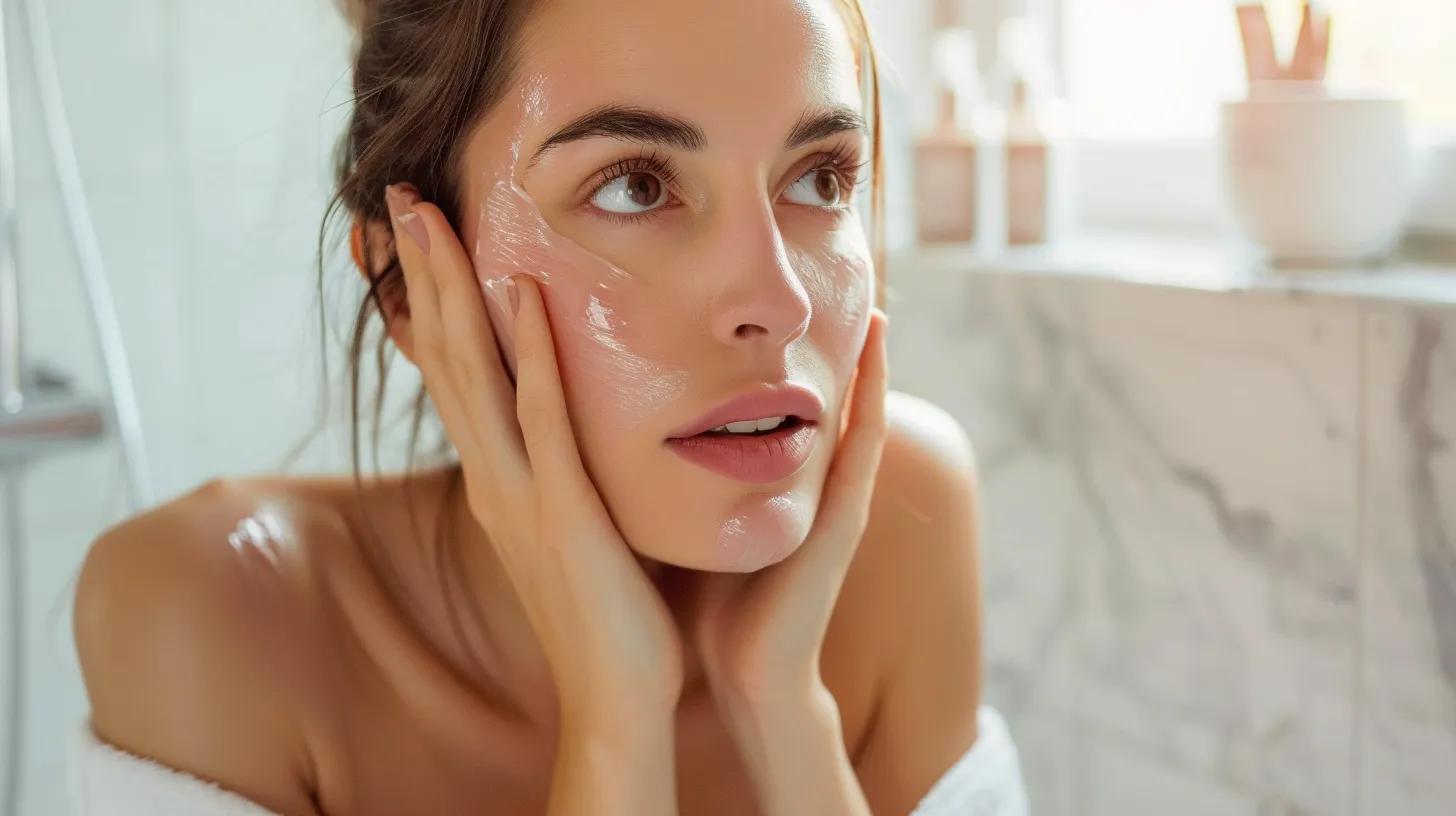
Common, expected side effects include redness, dryness and increased sensitivity. Use soothing, hydrating care and protect skin from UV exposure while it recovers.
- Redness: Usually resolves in days with gentle care.
- Dryness: Regular moisturiser helps restore comfort.
- Sensitivity: Avoid potent actives and strong exfoliants until cleared.
Recognising normal reactions helps you manage recovery and seek help only when necessary.
When Is It Necessary to Contact Your Medical Aesthetician or Doctor?
Contact your clinician promptly if you experience:
- Severe Pain: Unrelieved or worsening discomfort.
- Excessive Swelling: Swelling that increases or fails to subside.
- Signs of Infection: Pus, spreading redness, or discharge.
Early communication allows timely assessment and treatment to prevent complications.
Frequently Asked Questions
What should I expect during the recovery phase after a chemical peel?
Expect temporary redness, sensitivity, and peeling. Keep skin moisturised and shielded from sun; mild effects ease in days, while deeper peels take longer.
How long does it take for the skin to heal after a chemical peel?
Healing depends on peel depth: superficial peels often resolve in a few days, medium peels in one to two weeks, and deep peels over several weeks. Skin type and aftercare affect timing.
Can I wear makeup after a chemical peel?
Avoid makeup until your clinician approves. Reintroduce gentle, non-comedogenic products once redness and peeling subside.
Are there any specific foods I should avoid after a chemical peel?
Reduce alcohol, very spicy foods, and high-sugar processed items that may increase inflammation; prioritise nutrient-dense, hydrating foods and water.
How can I enhance the results of my chemical peel?
Maintain a gentle skincare routine with hydrating ingredients, attend follow-ups, stay hydrated, and protect skin daily with high-SPF sunscreen.
What should I do if I experience unexpected side effects after my peel?
If you notice excessive redness, swelling, discharge, or severe pain, contact your medical aesthetician or doctor immediately. Mild redness and peeling are common but worsening signs need professional assessment.